Award-Winning Contemporary Rear Extension to a Grade II Listed Townhouse in York
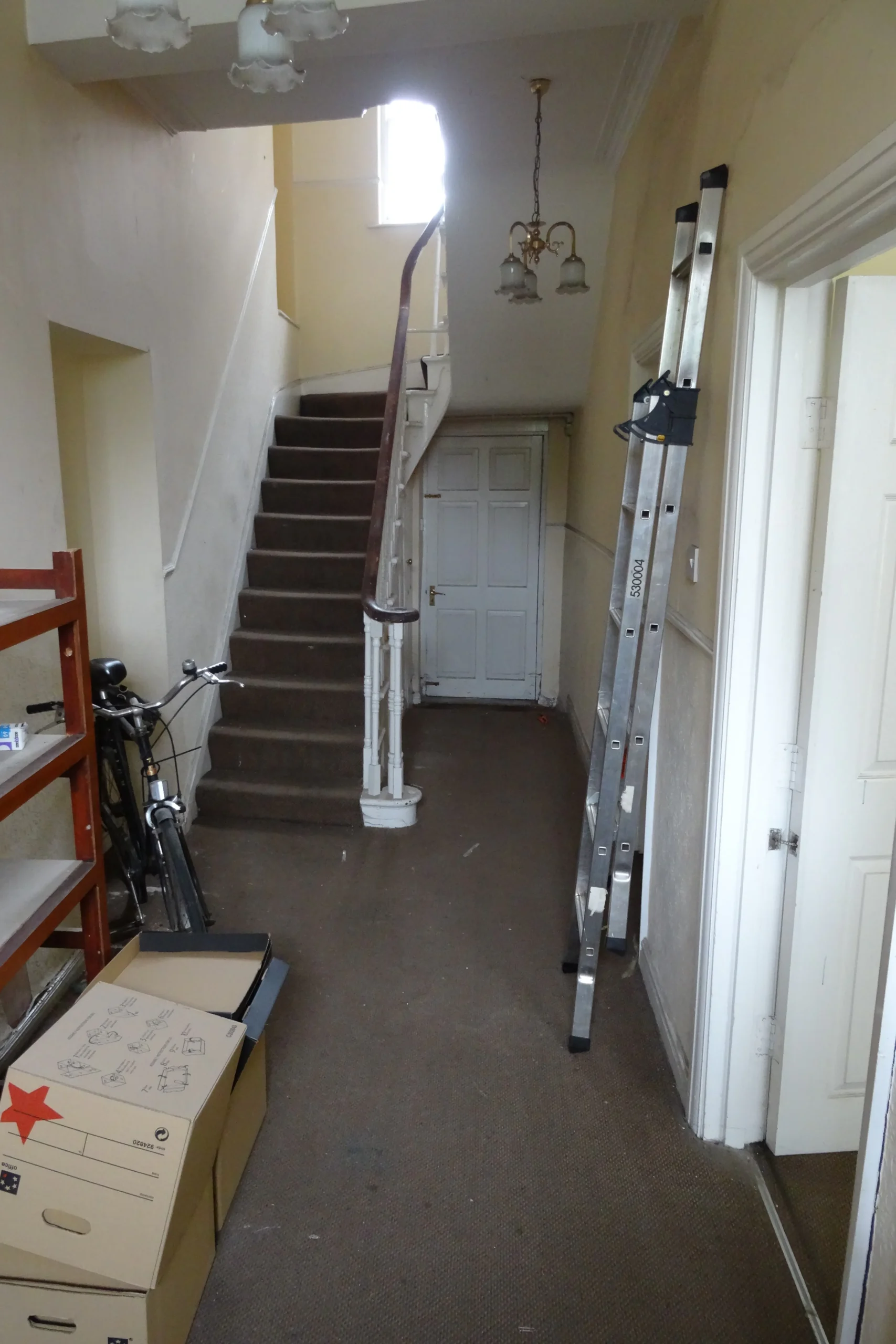
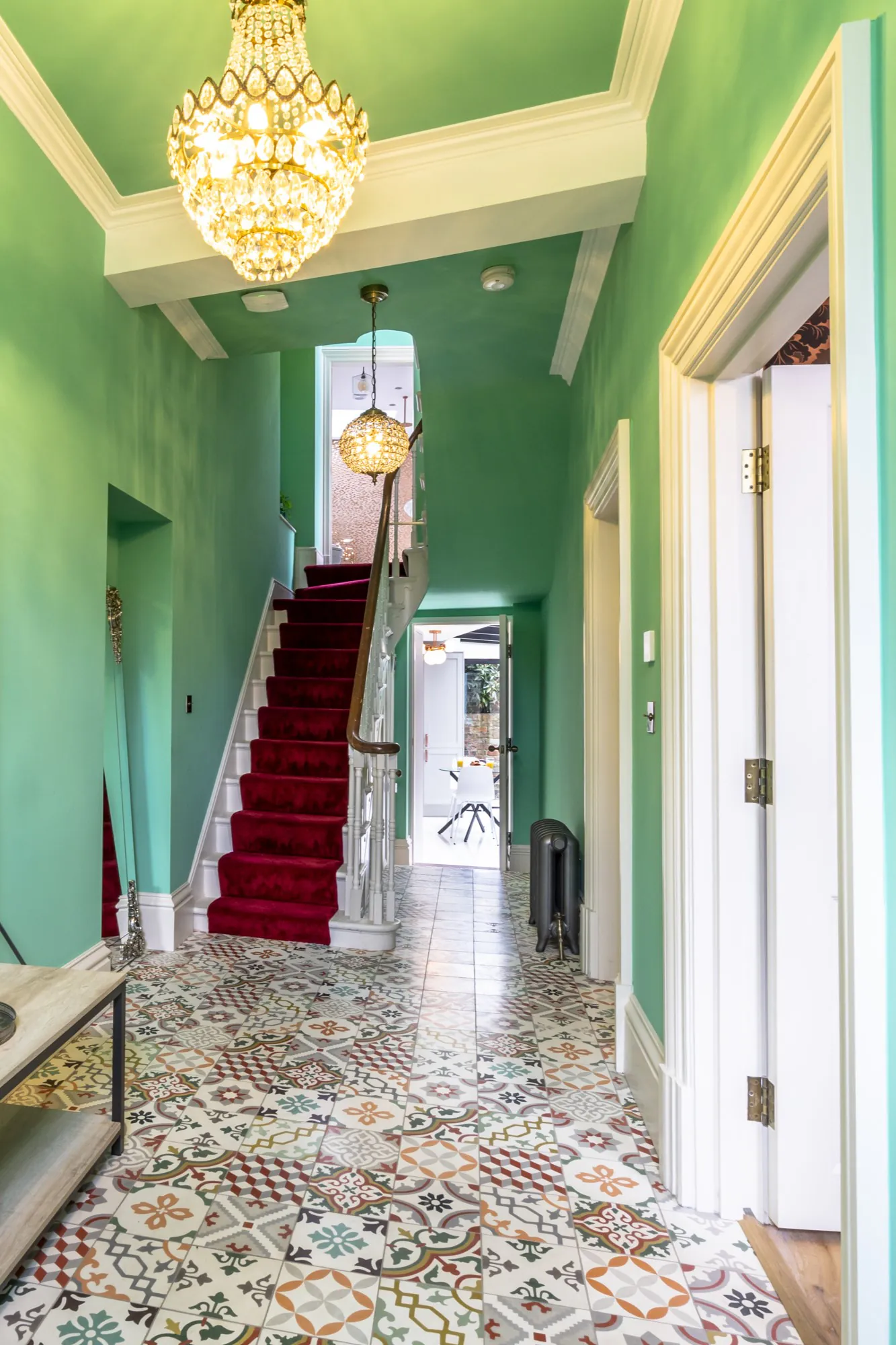
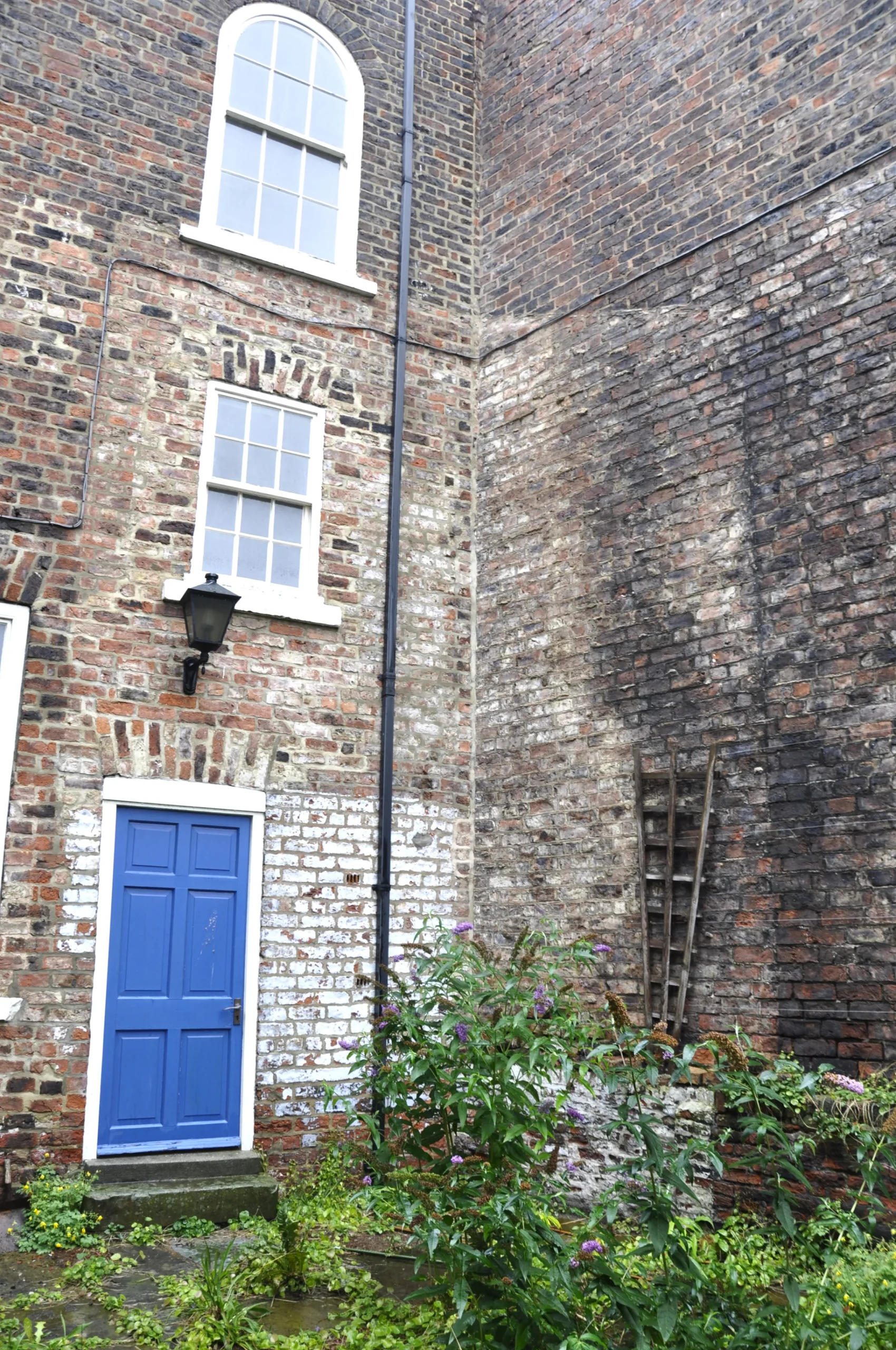
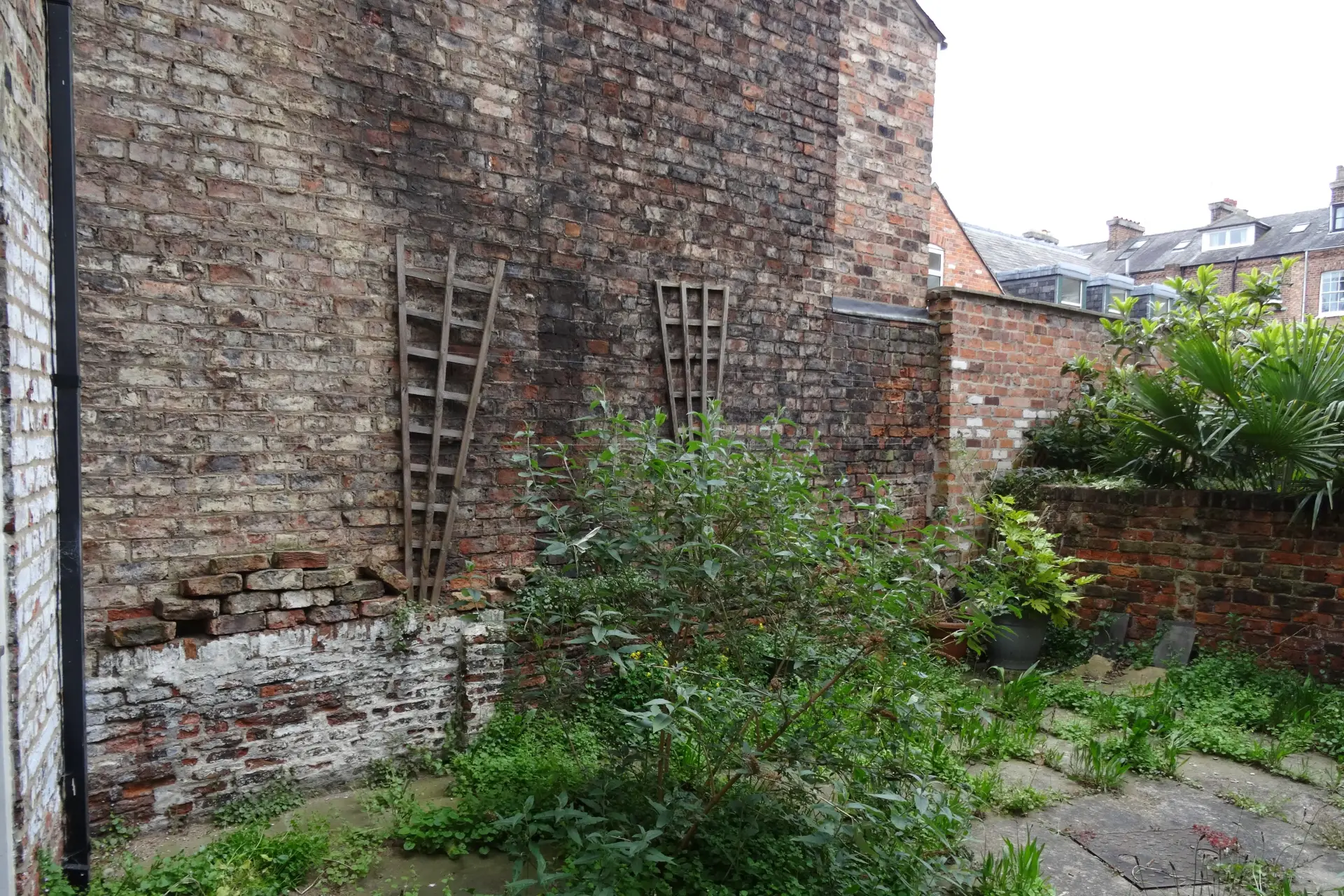
Located centrally in one of the most historic parts of the city, 7 Tower Street is a stunning Grade II-listed mid-19th-century townhouse. After sitting vacant for years following a 20th-century conversion into office space, the building required a complete restoration and facility upgrade to return it to a viable, modern residential dwelling.
Delivering this transformation, however, required navigating some of the most complex historical and archaeological constraints in the United Kingdom, culminating in a multi-award-winning design that bridges the gap between Victorian heritage and unapologetic modernity.
Considering Triple Heritage Constraints
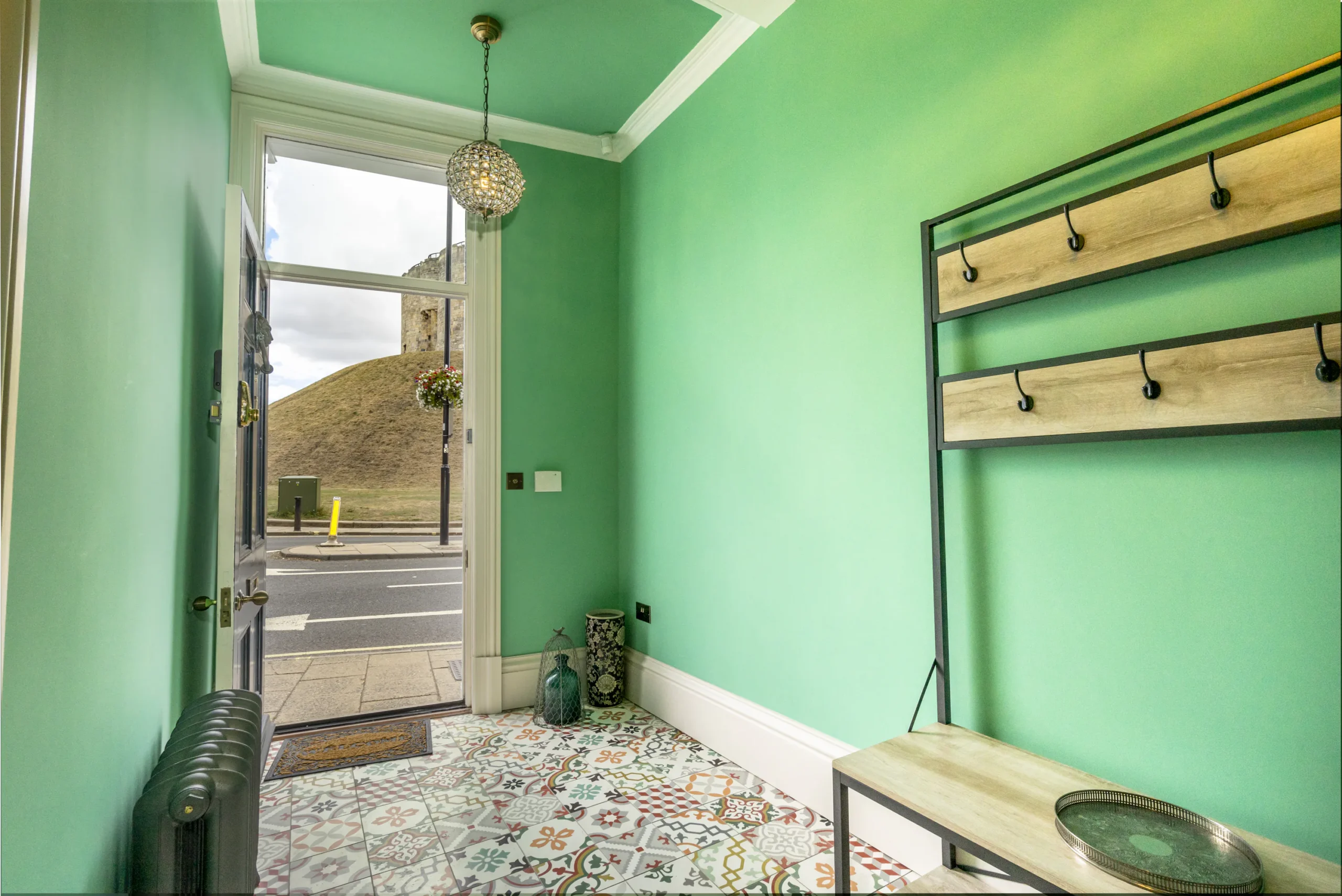
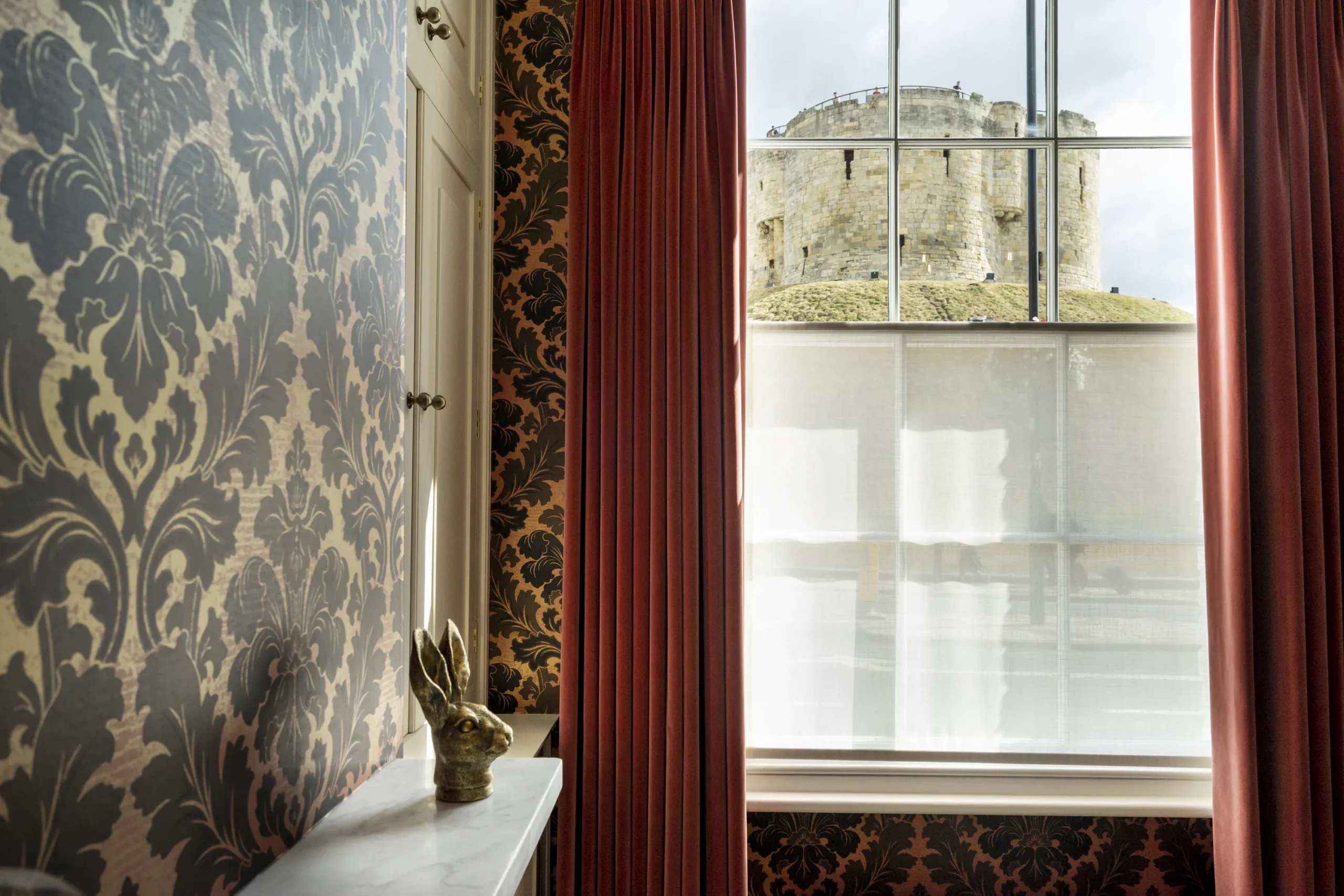
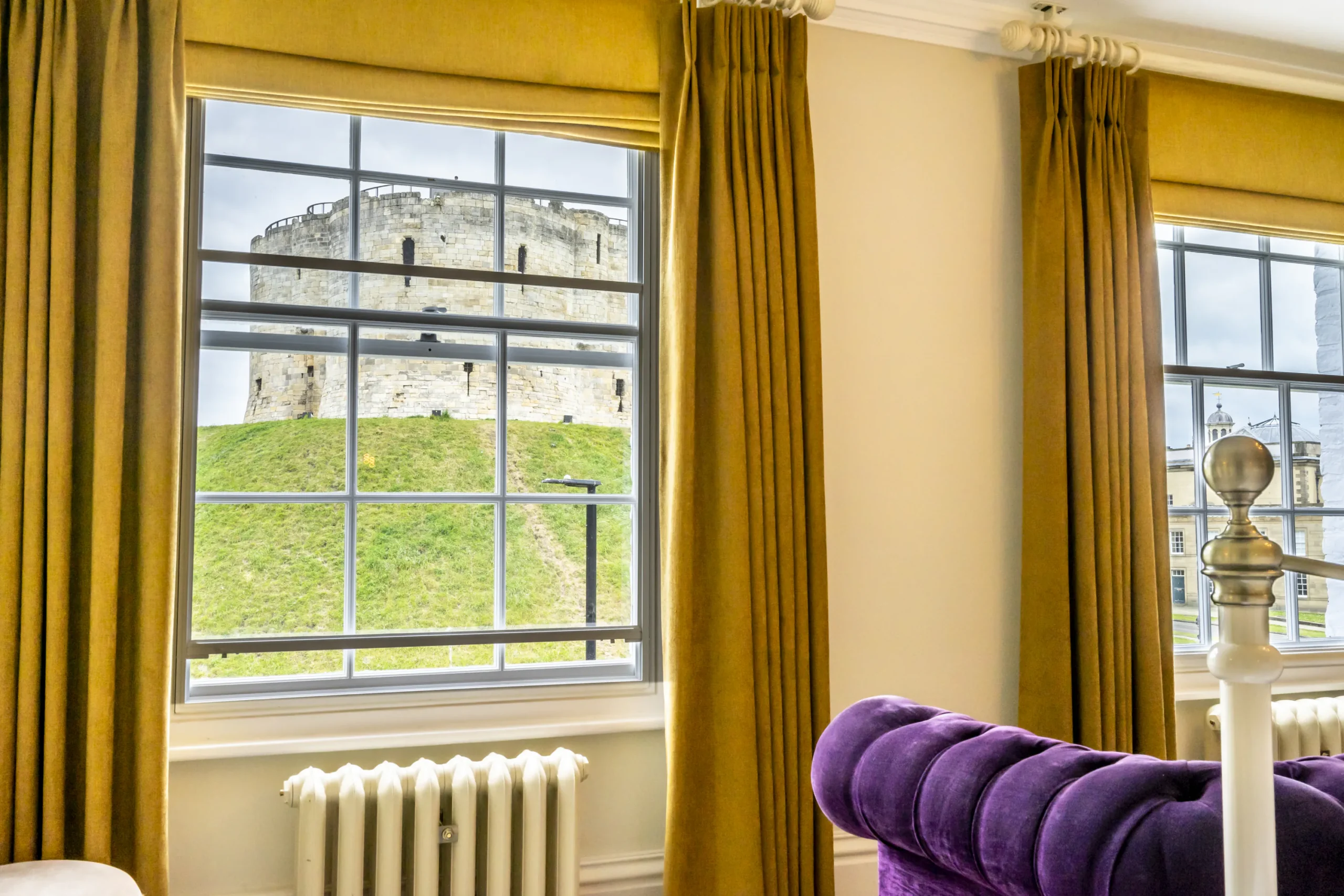
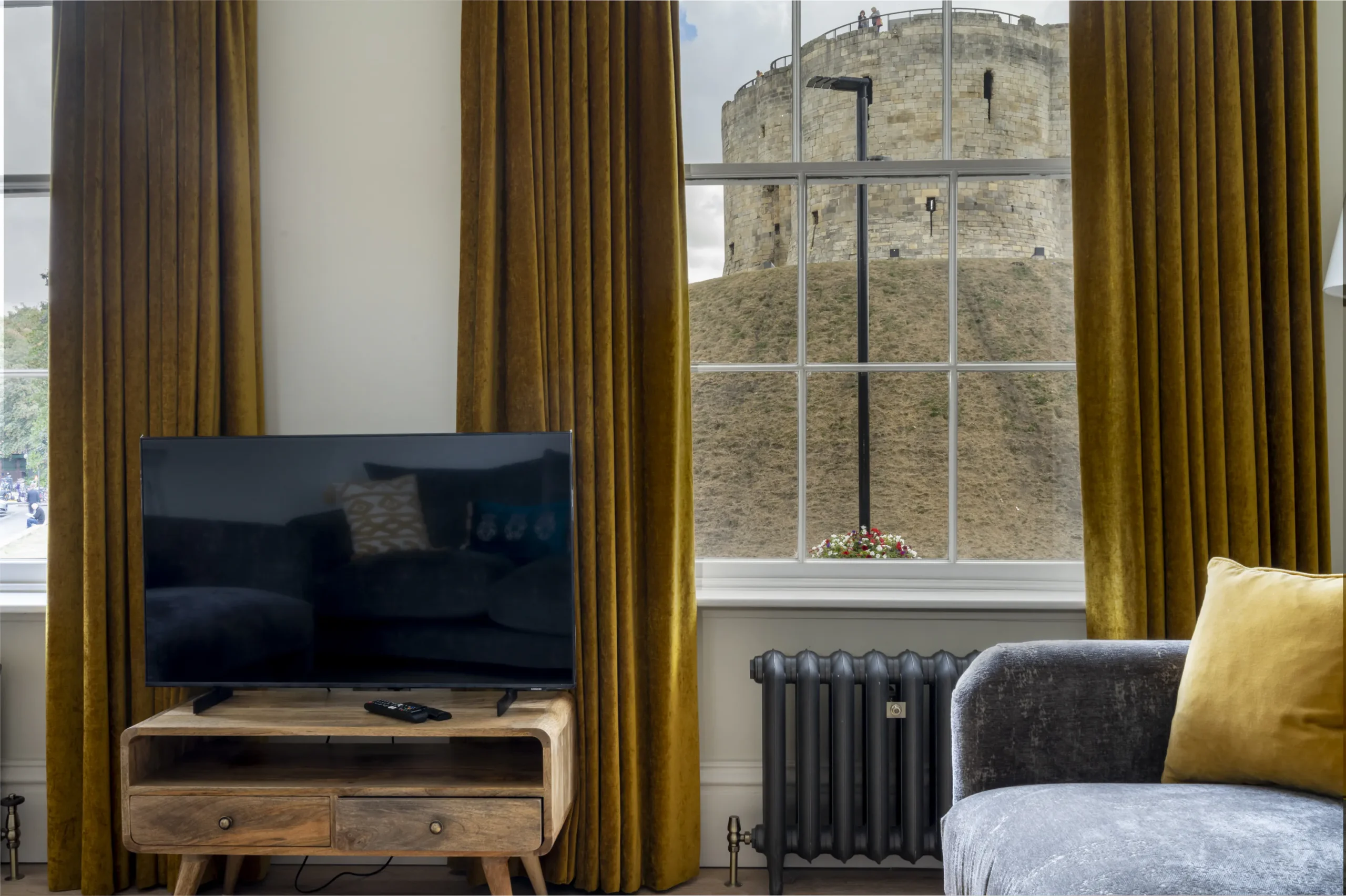
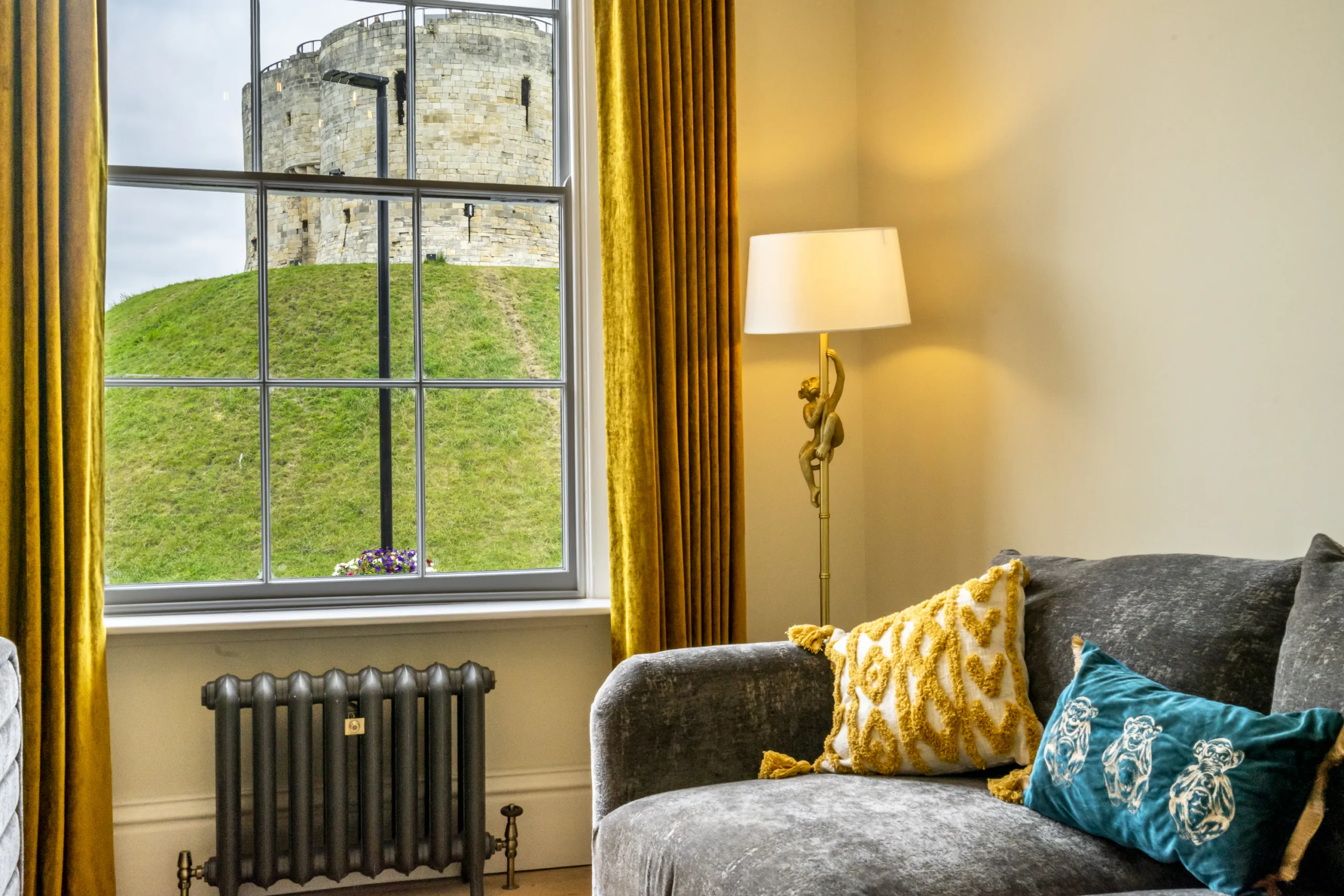
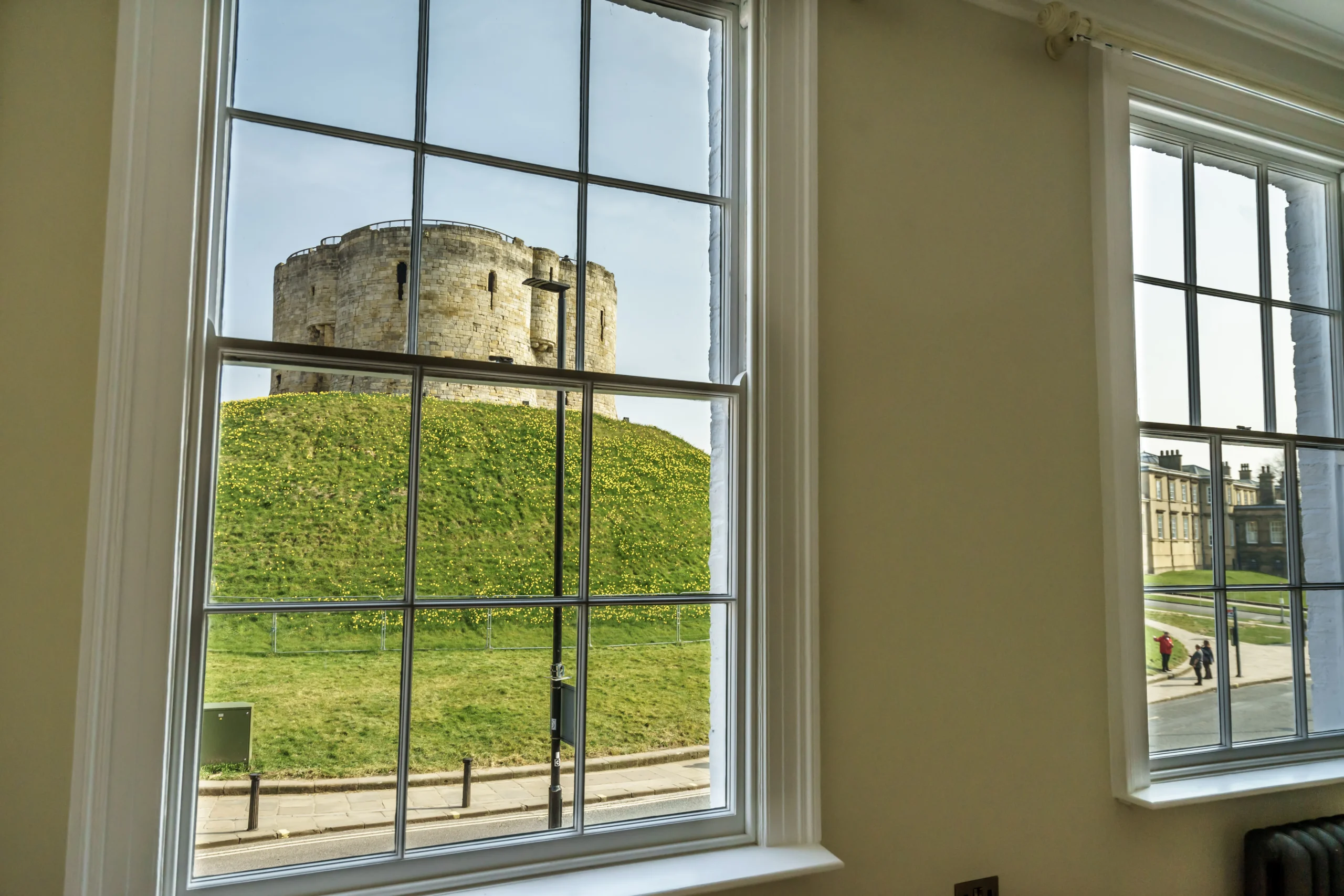
The property sits directly opposite Clifford’s Tower—not merely a York landmark, but a Grade I Listed Building and Scheduled Ancient Monument that served as the administrative centre of royal government for the north of England during the 13th and 14th centuries.
Working within the setting of a Scheduled Ancient Monument simultaneously with a Grade II listed building and a highly sensitive Conservation Area meant the project operated under three distinct and overlapping heritage designations at once. This level of constraint is genuinely unusual and required a correspondingly sophisticated design and planning response.
Navigating Deep Archaeological Sensitivity
Beyond the above-ground heritage, the site sits within the York City Centre Area of Archaeological Importance, directly above the remains of a medieval Franciscan Friary founded in approximately 1230. This is one of the most archaeologically sensitive sites in England; nearby investigations at Clifford Street have revealed medieval friary buildings at depths of 3–4 metres below modern ground level.
To proceed, the project required an archaeological watching brief on all groundworks carried out by specialist archaeologists, alongside building recording to Historic England Level 2. Successfully navigating these deep archaeological constraints alongside the complex listed building requirements demonstrates the breadth of expertise involved in delivering this project.
The Contemporary Design Question
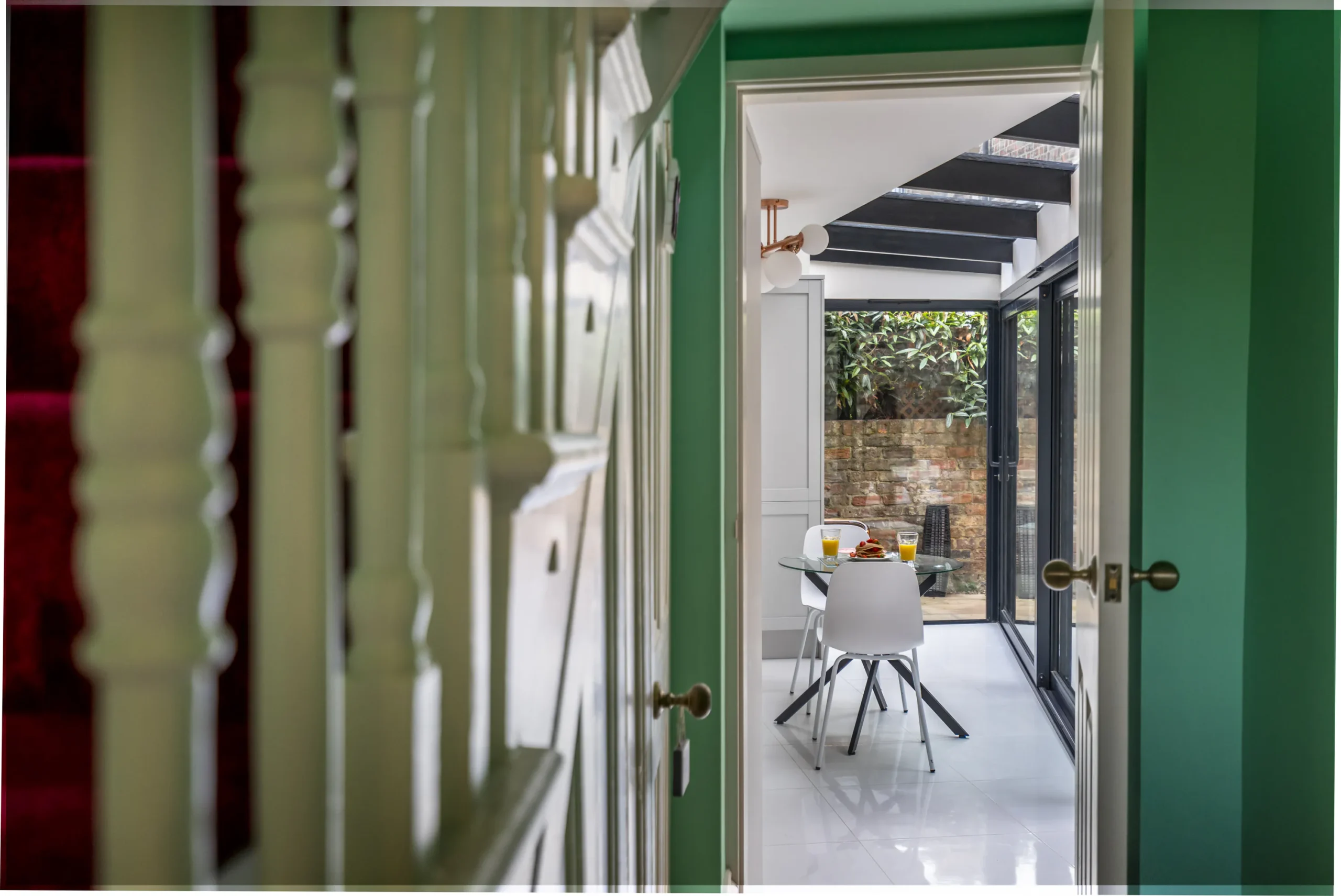
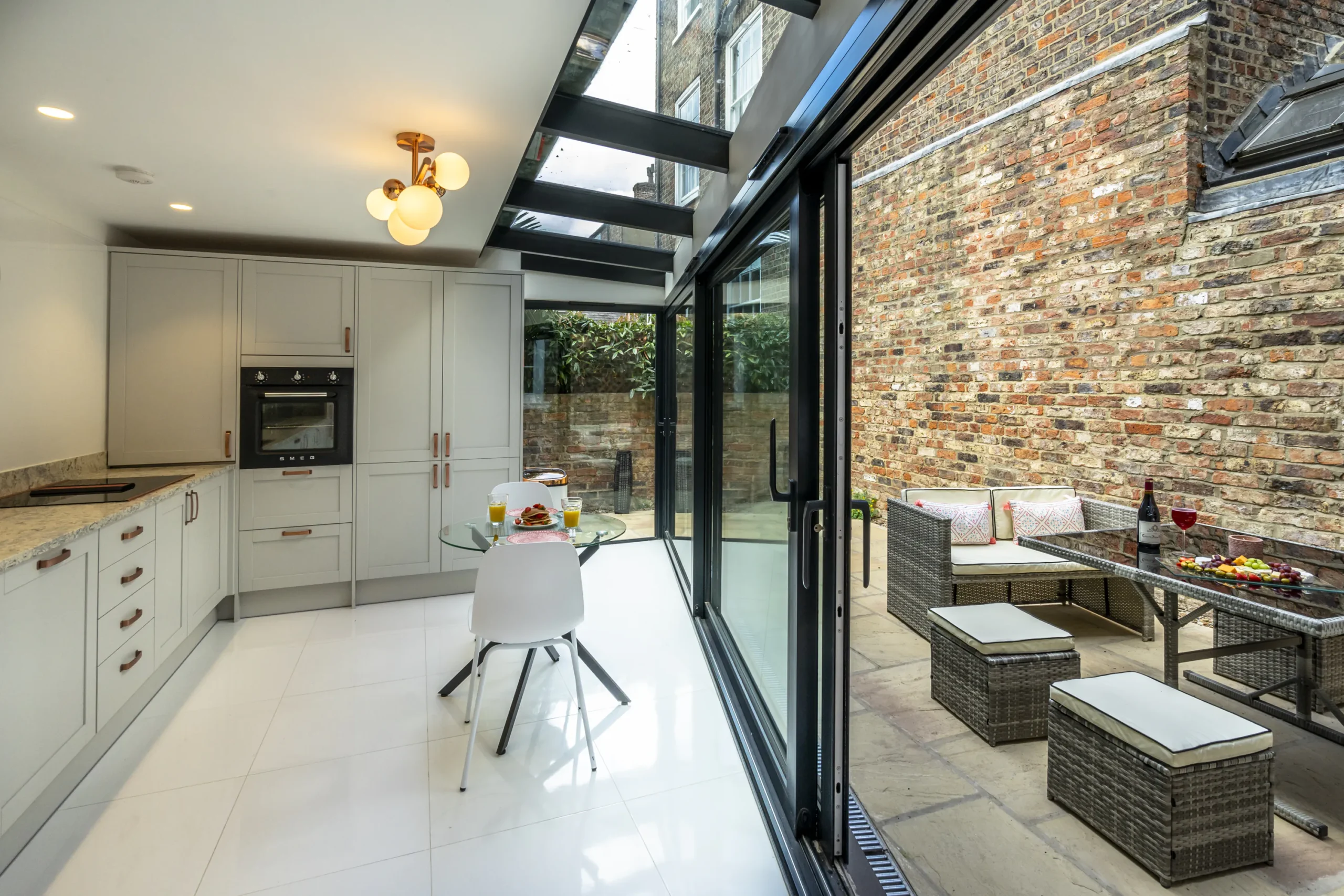
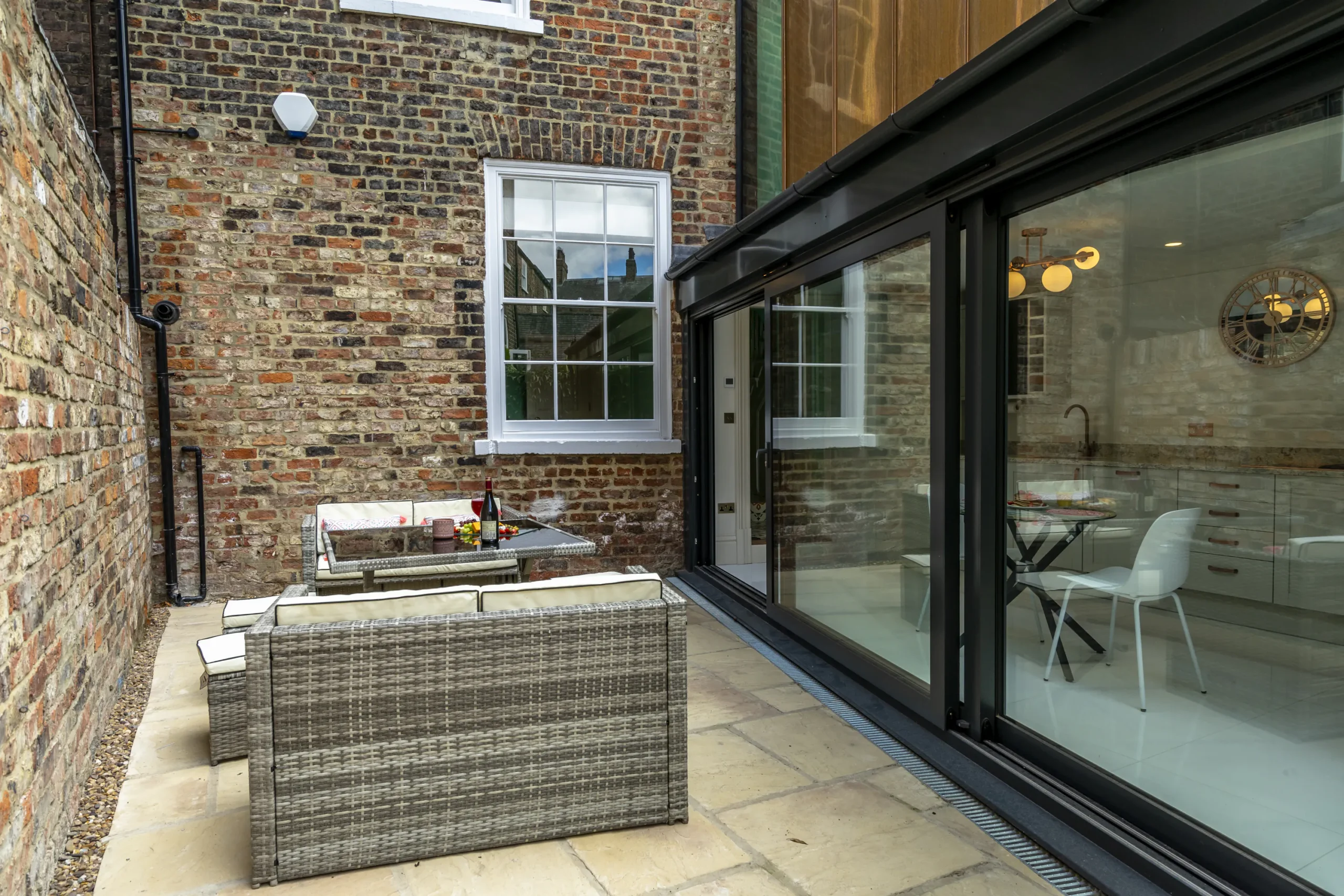
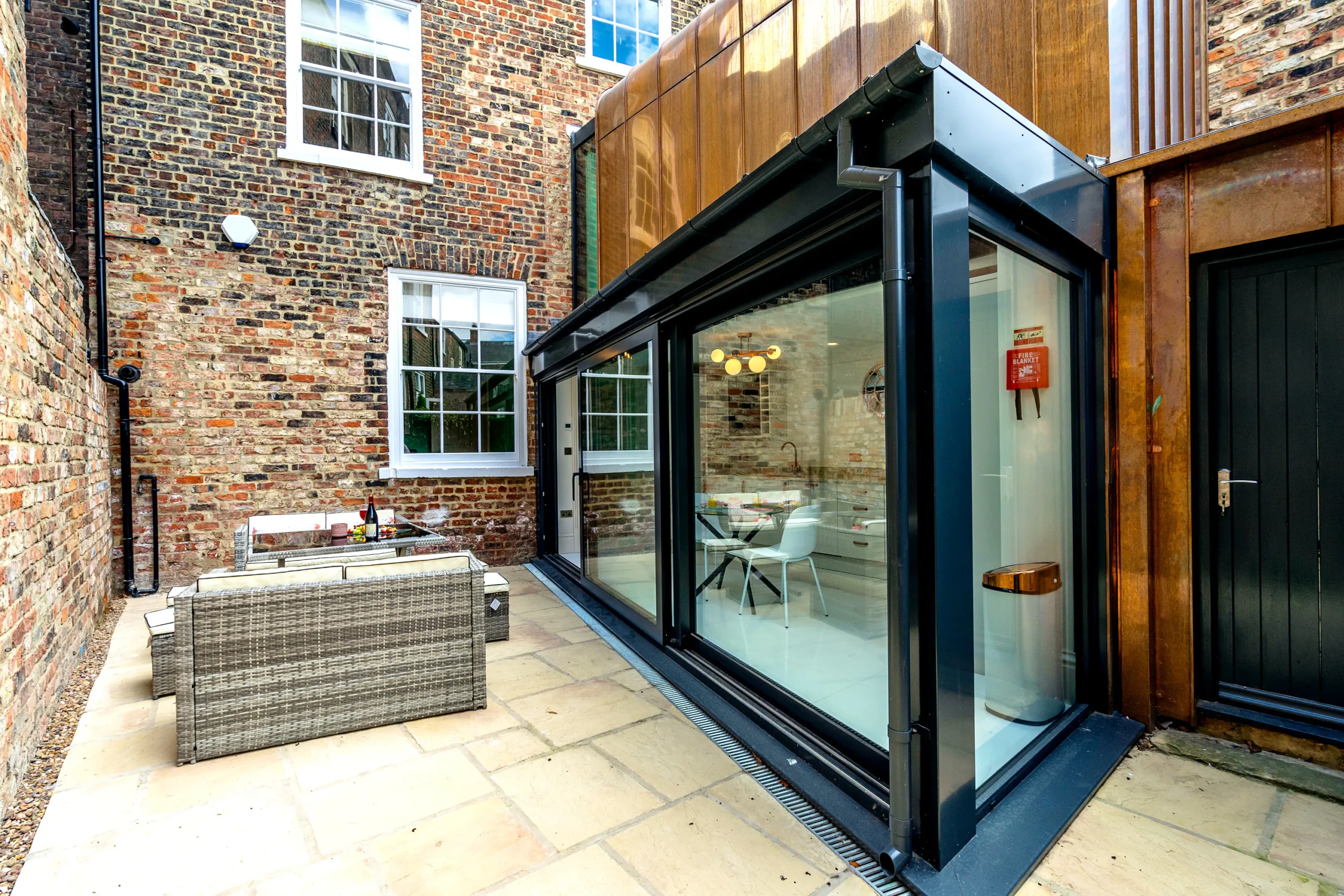
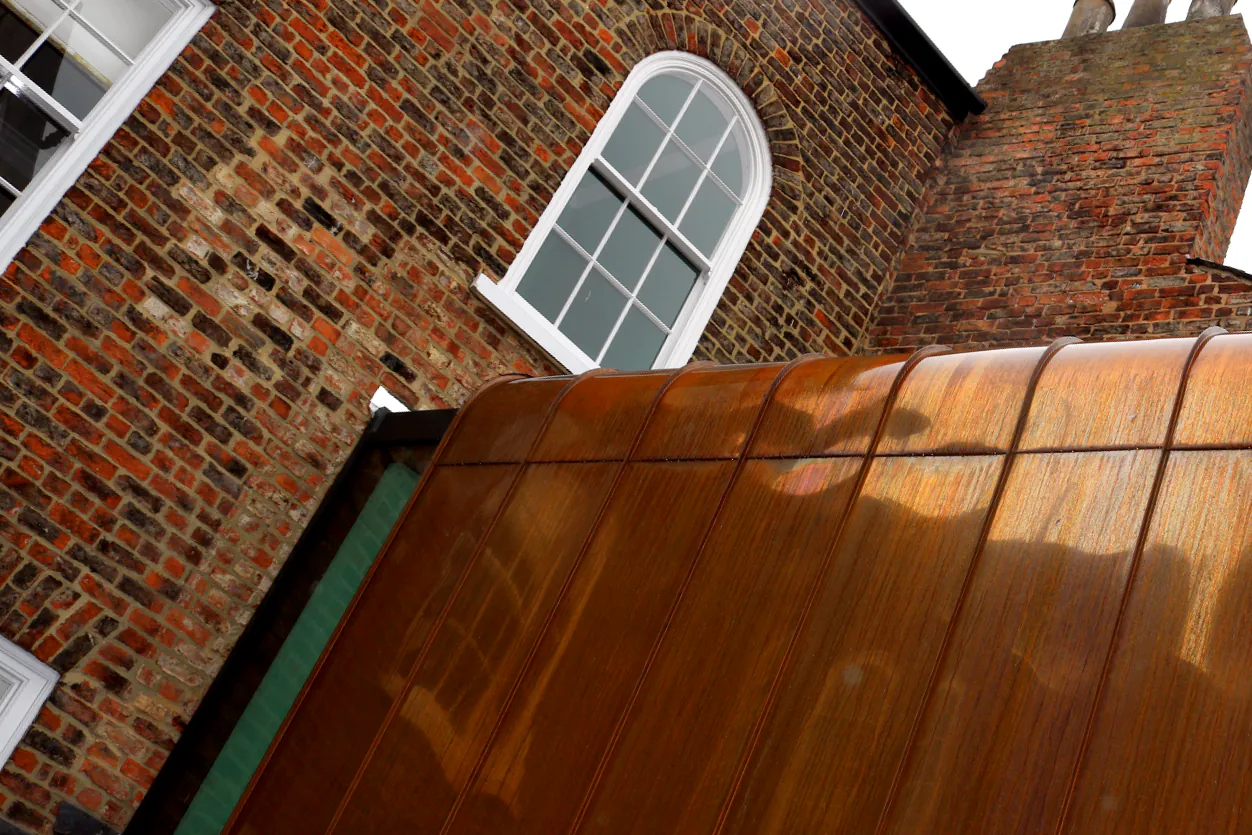
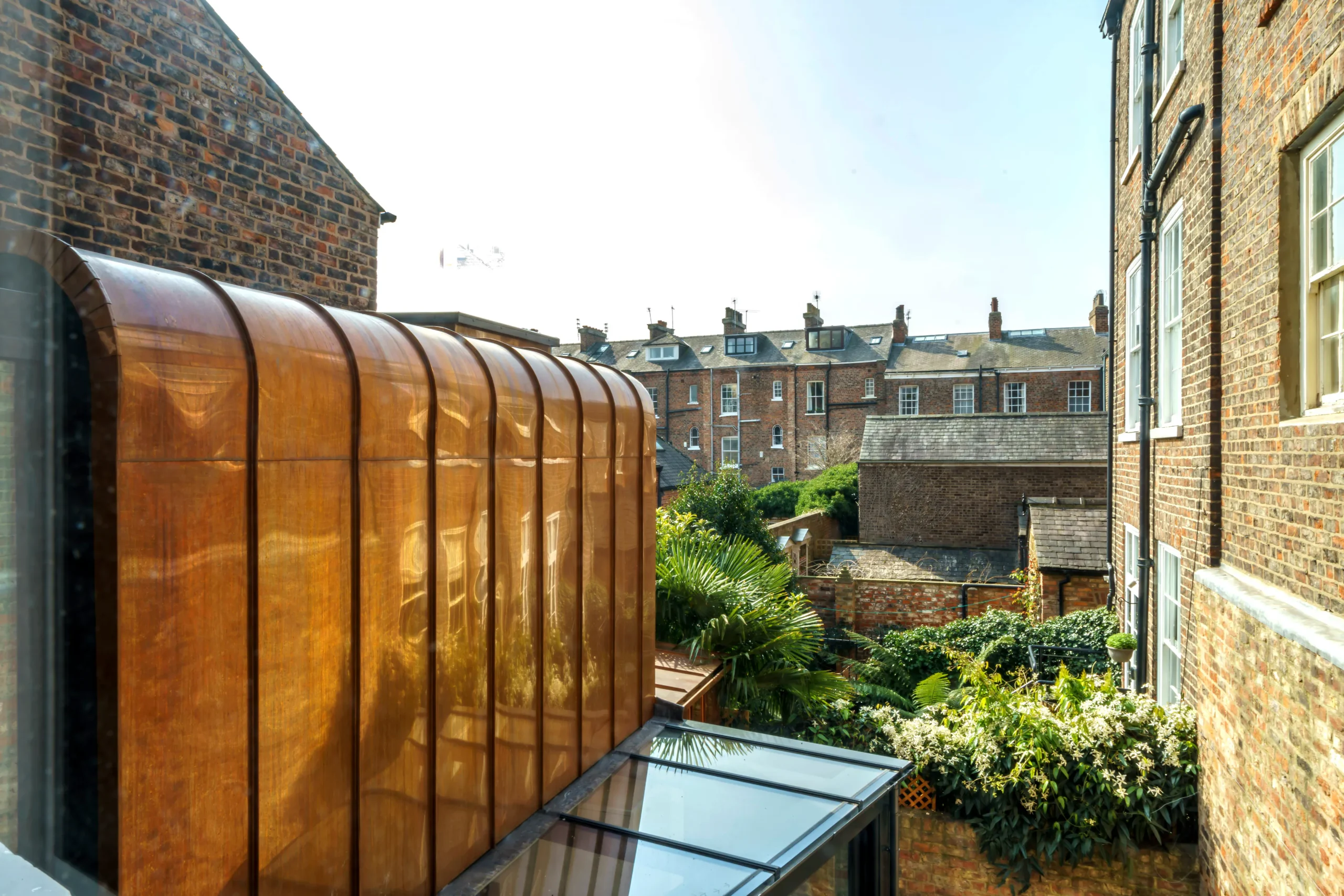
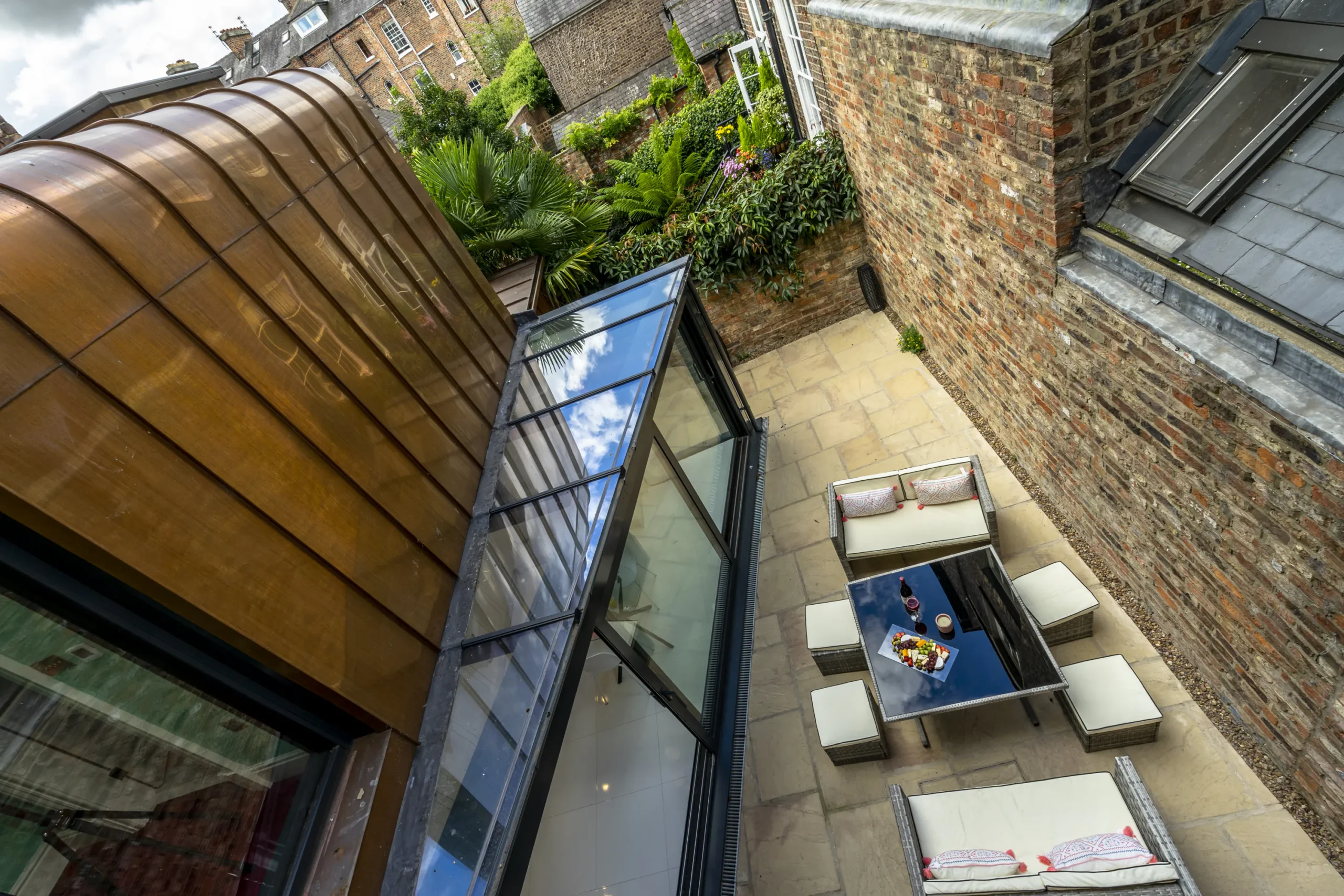
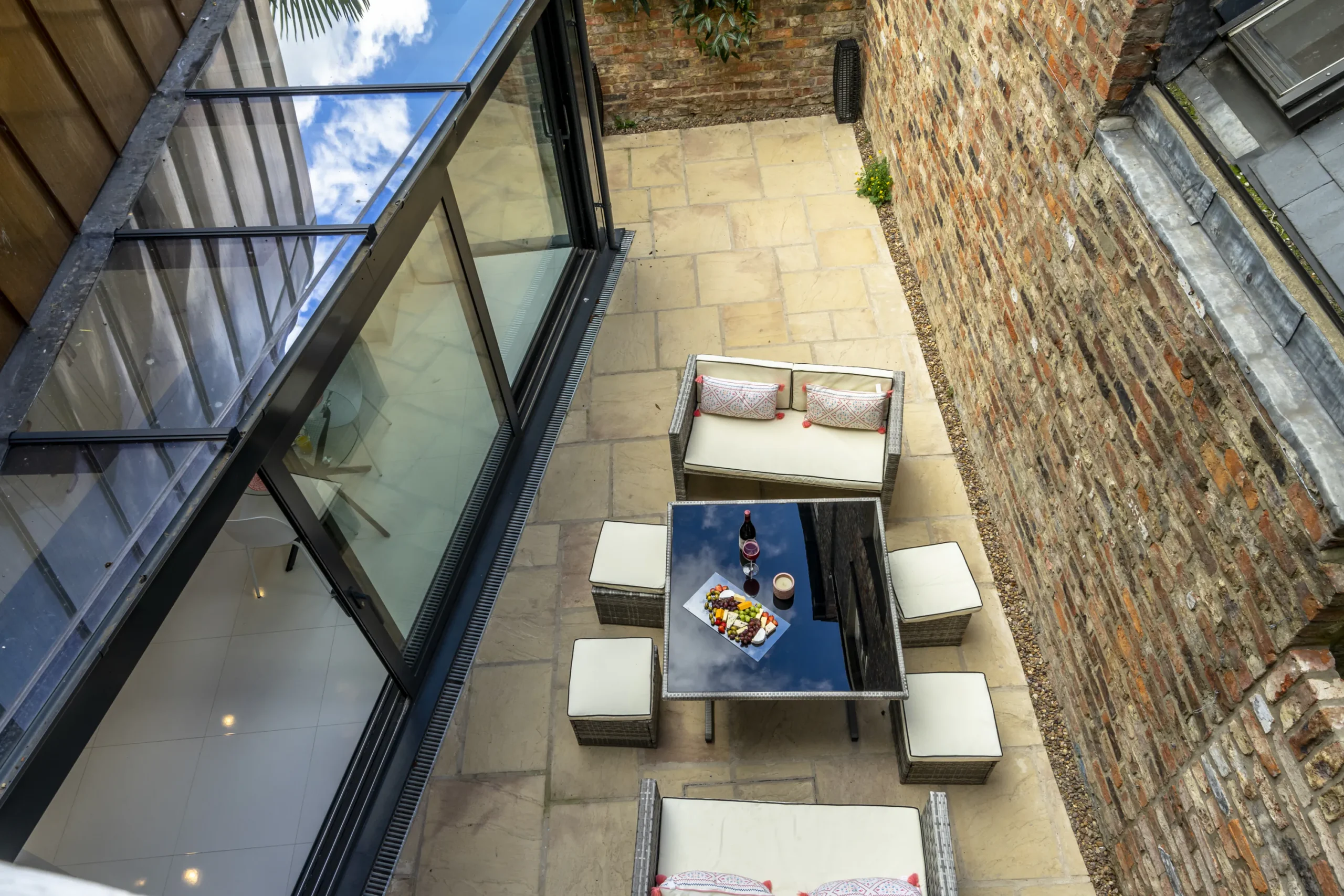
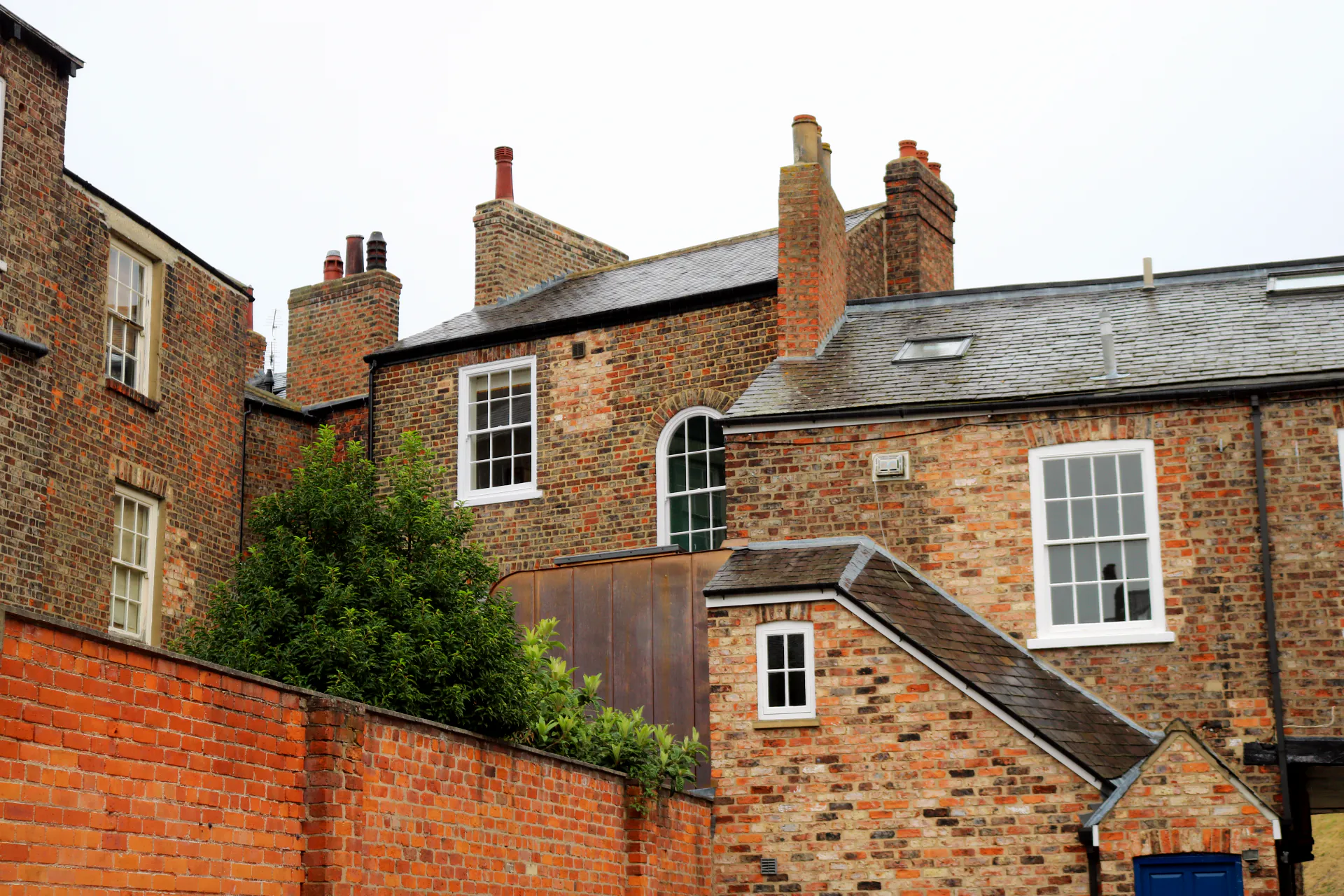
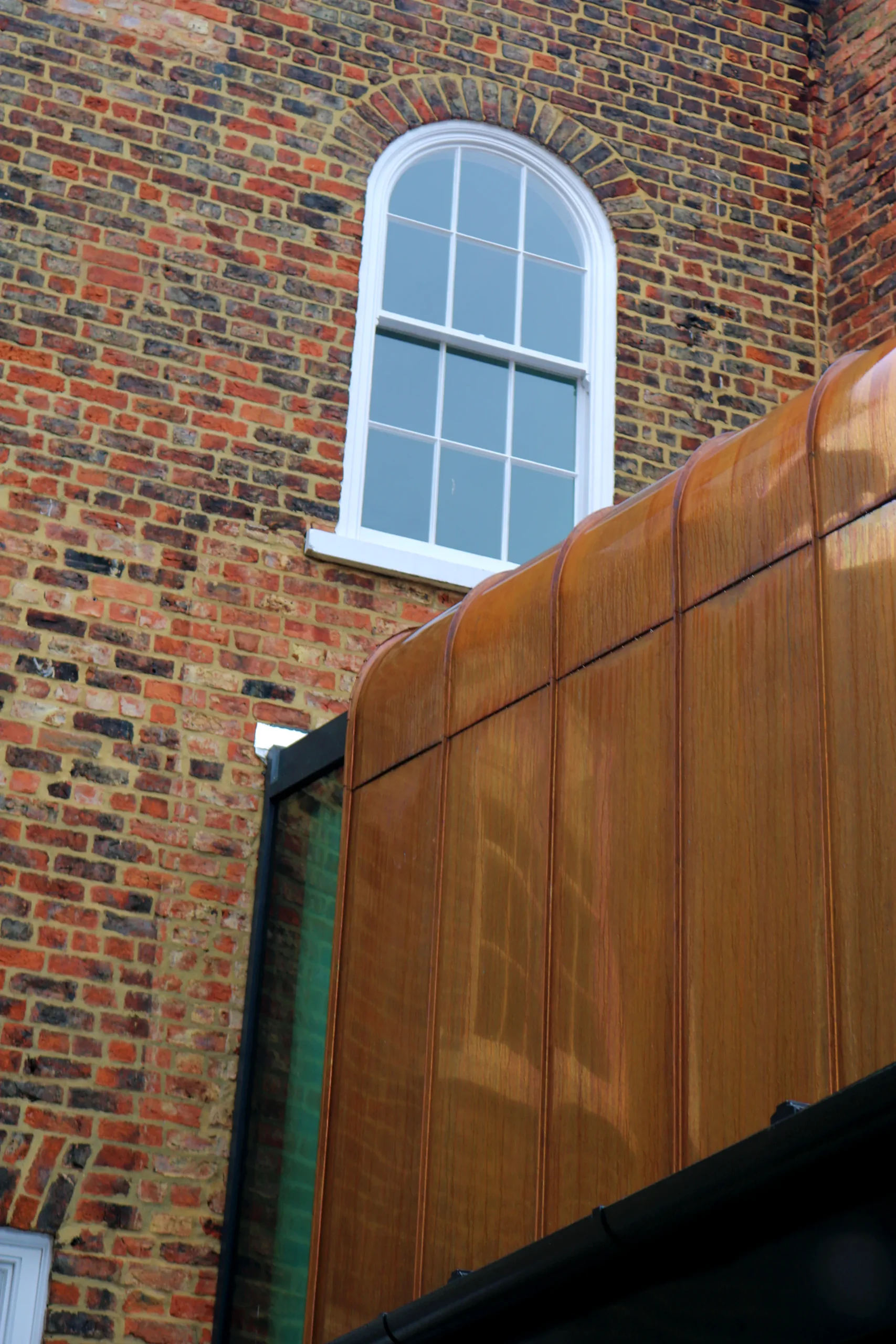
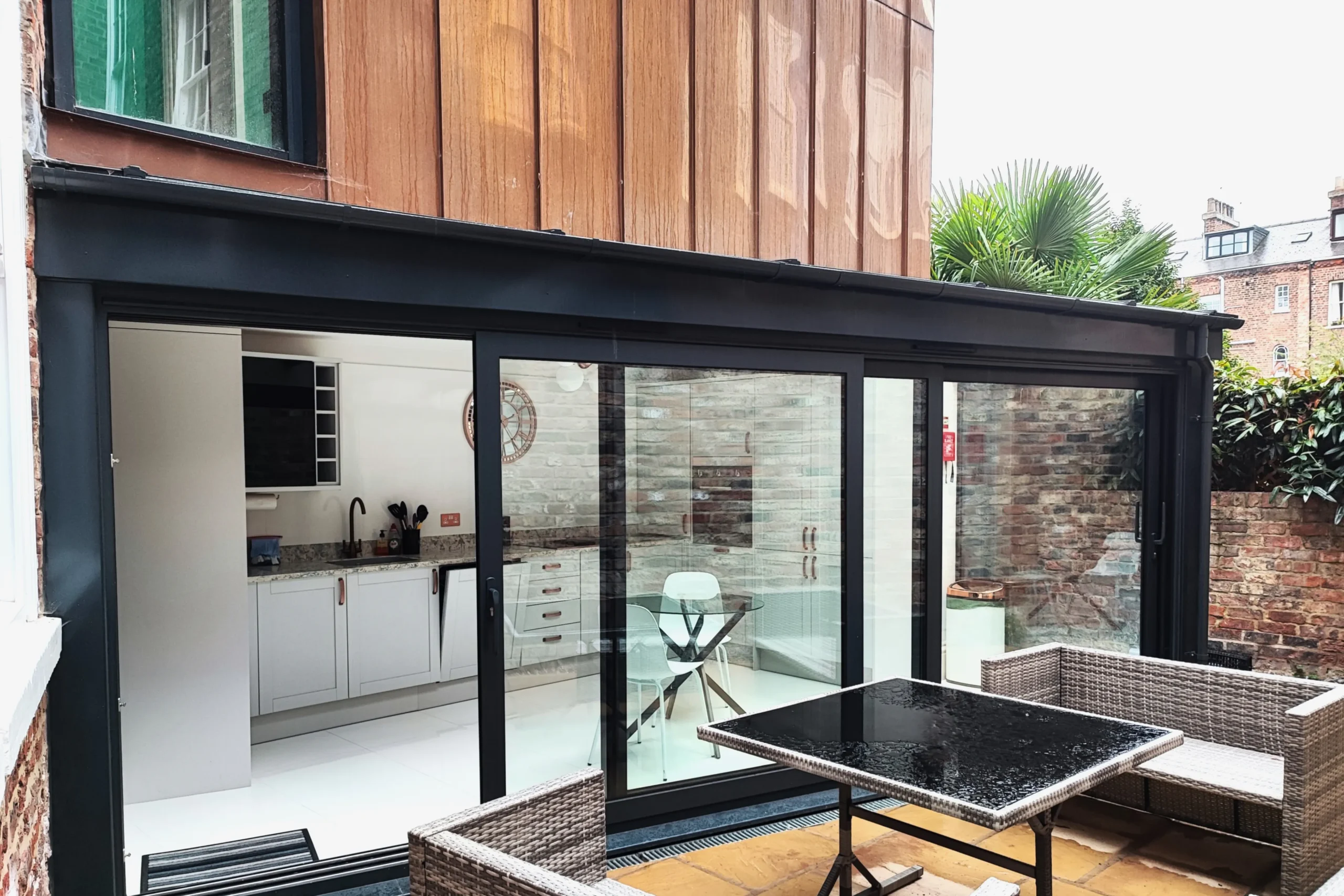
During the planning process, a critical question was raised: Is a deliberately modern design appropriate for a listed building? Rather than attempting a pastiche imitation of the building’s original Victorian features, our design explicitly delineates the historic fabric from the new additions. The resulting two-storey rear extension—featuring lightweight structural glass on the ground floor and striking standing seam copper cladding on the first floor—is an avowedly modern, contemporary layer.
The Local Planning Authority addressed this approach directly and unambiguously. City of York Council officers concluded that the contemporary design “would respect the significance of the listed building, conservation area and would not result in an unacceptable form.” Their Conservation Officer went further, officially describing the scheme as “an interesting contemporary response in a constrained site which results in no harm to the significance of the listed building, and its setting, and preserves the character of the conservation area.” These are not the words of our architects or consultants; they are the independent professional judgements of the Local Planning Authority’s own specialist heritage advisor. The question of whether contemporary architecture belongs on a listed building was answered definitively by the very authority responsible for protecting it.
Because the Council’s officers concluded that the proposed works would result in no harm whatsoever to the significance of the listed building—bypassing even the lower threshold of ‘less than substantial harm’ under NPPF paragraph 196—no public benefits assessment was required.
Key Features of the Extension:
- Reversible Construction: The design utilizes light-touch fixing points to the rear elevation, minimizing physical impact on the historic masonry and making the modern structure theoretically reversible.
- Respectful Massing: The extension is physically subservient to the host building, occupying less than 50% of the rear elevation and ensuring the original 19th-century dining room window is retained in its original position.
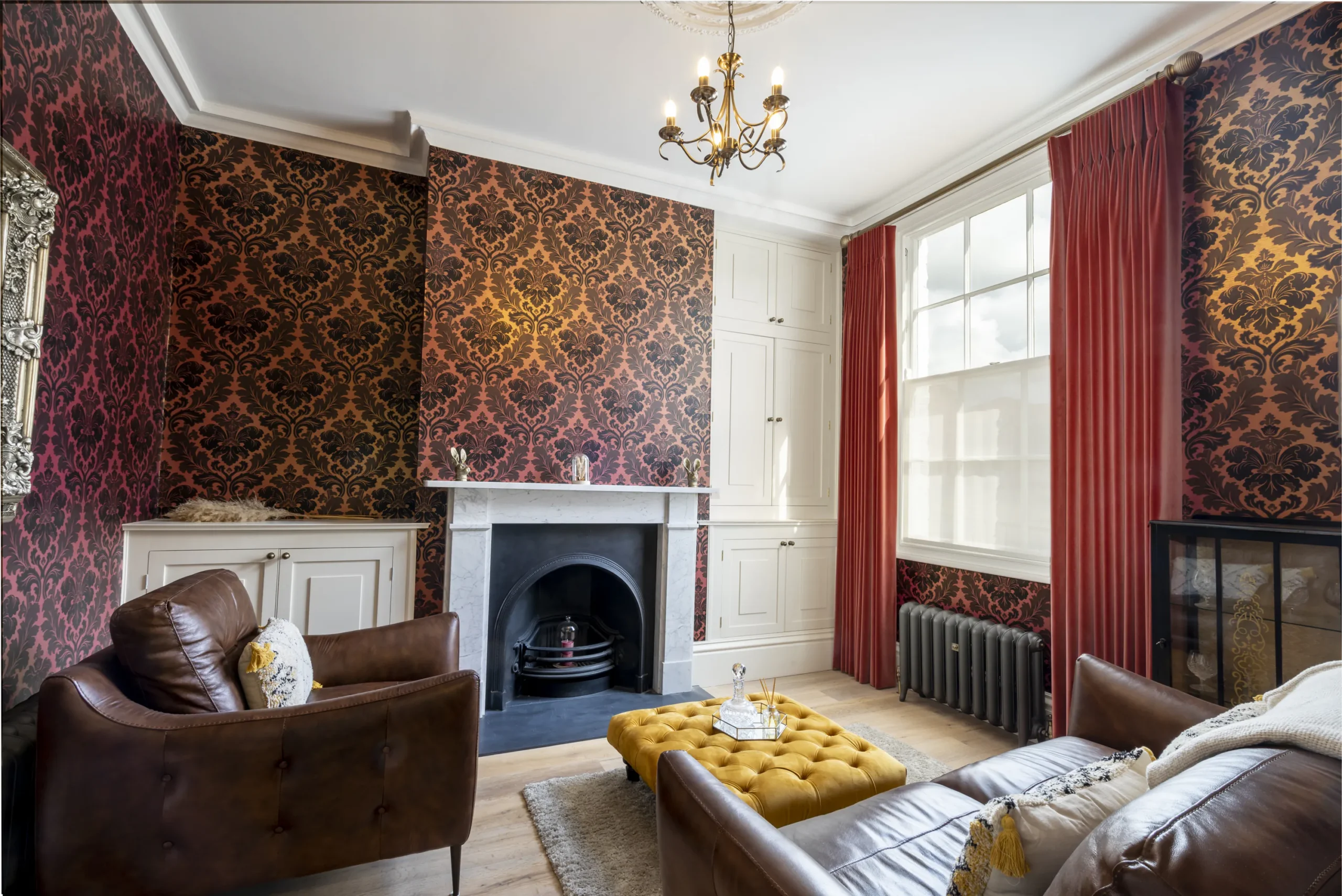
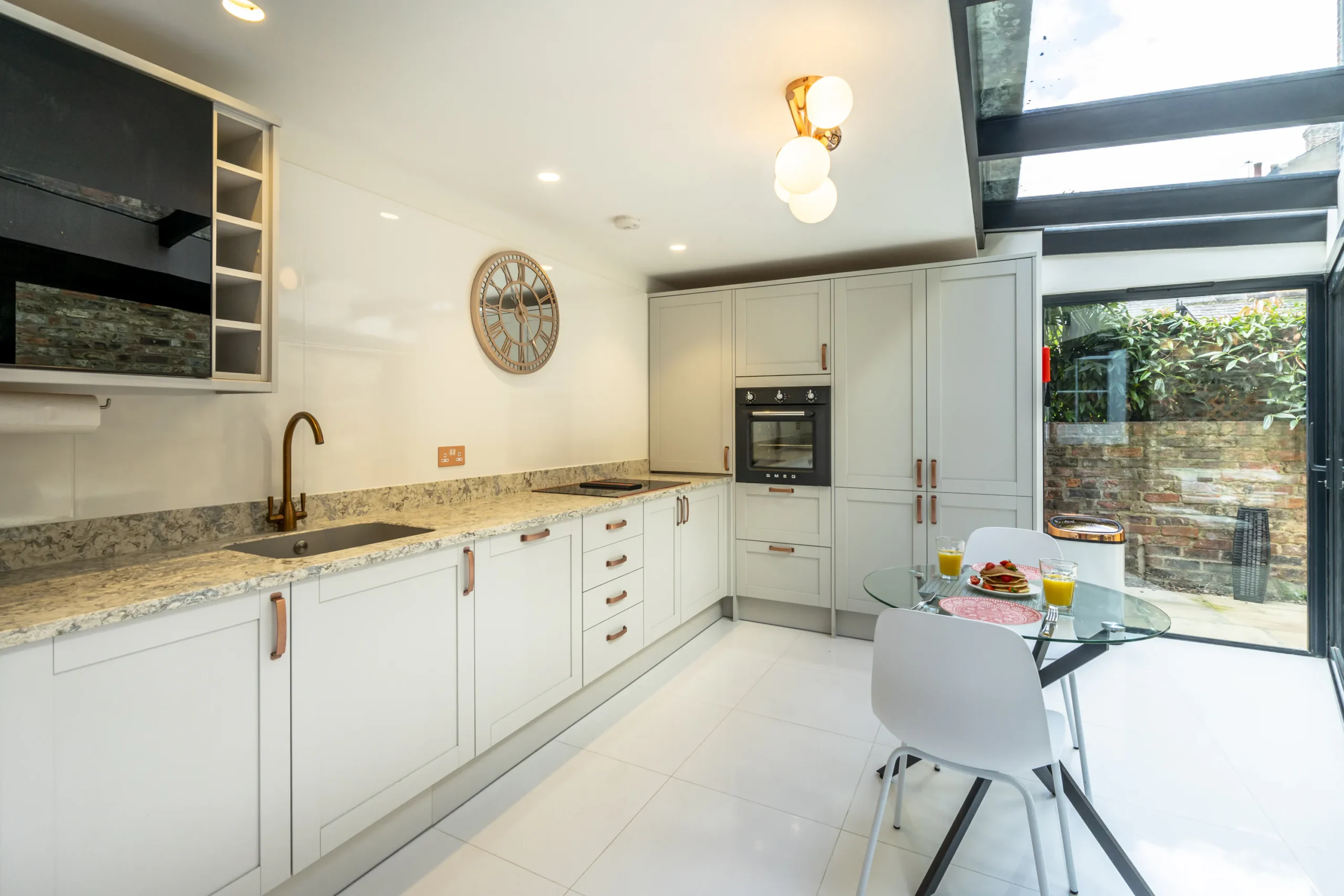
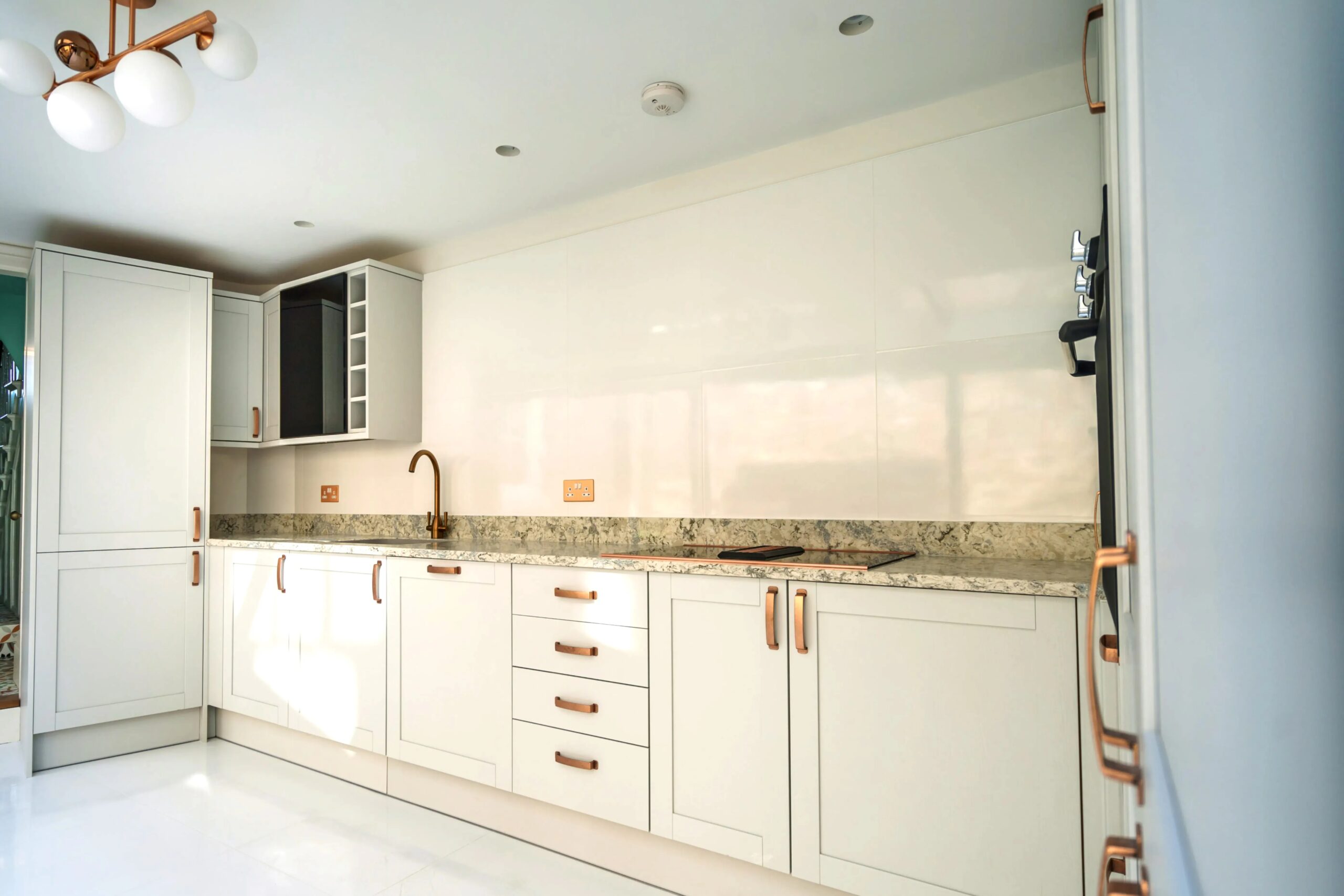
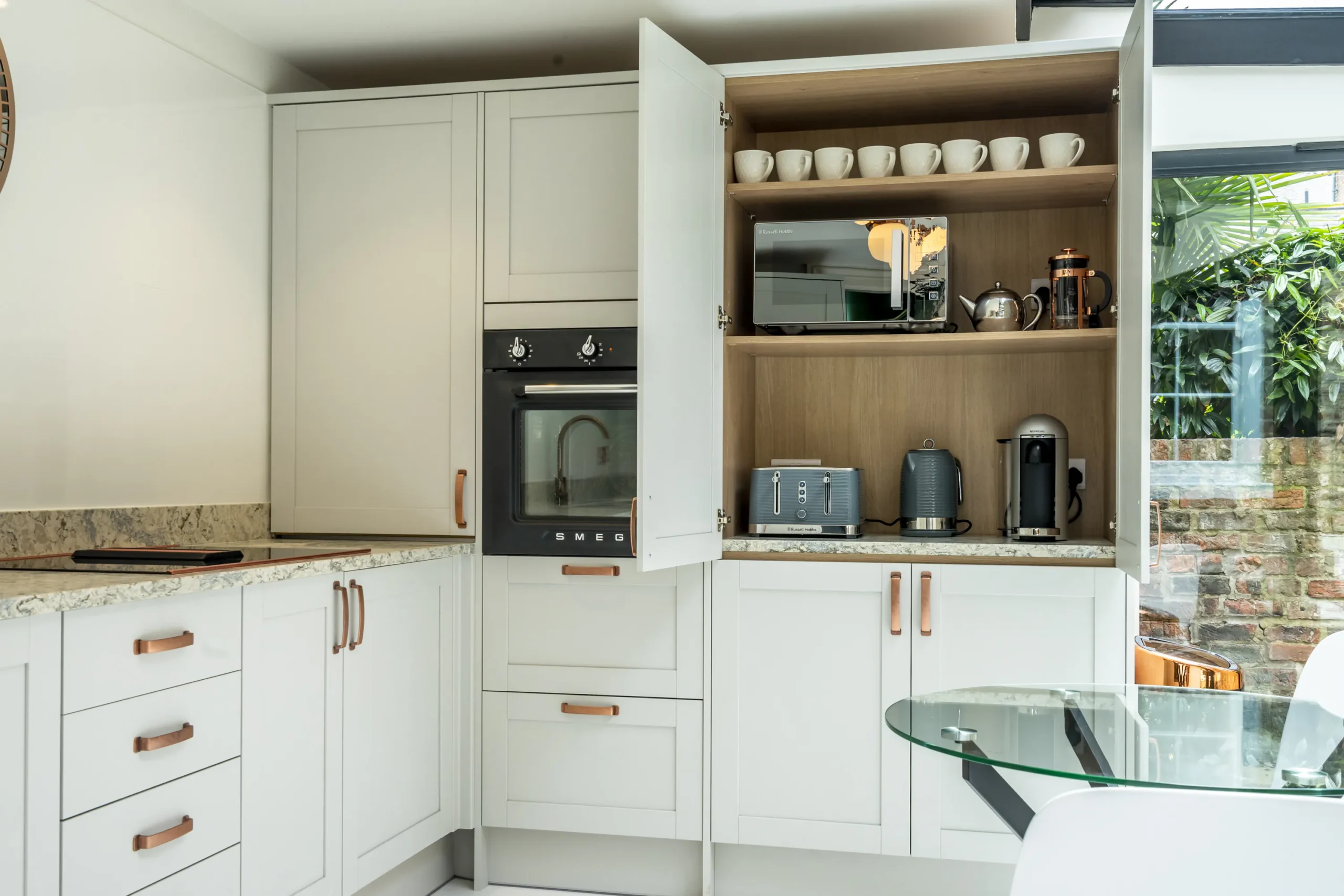
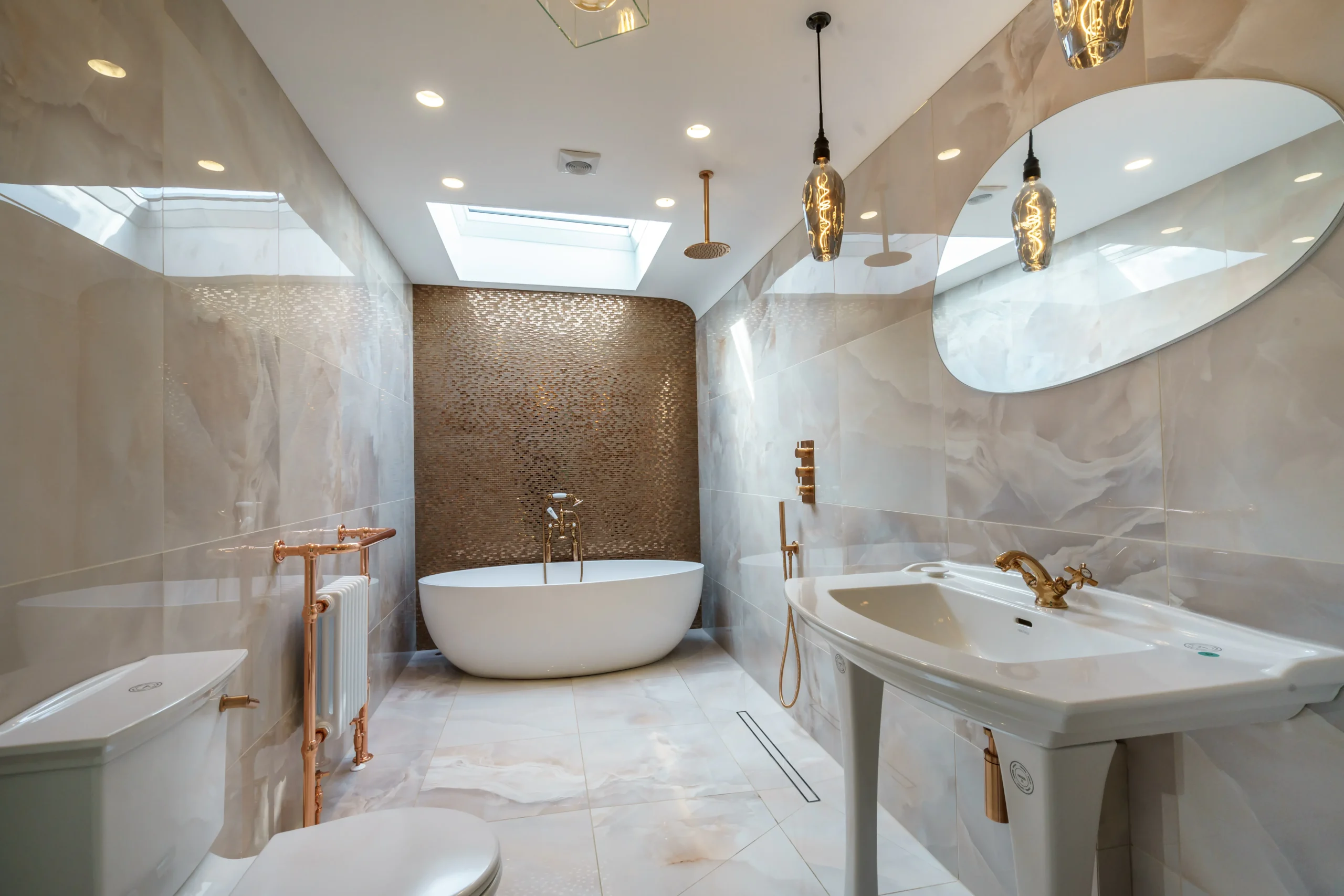
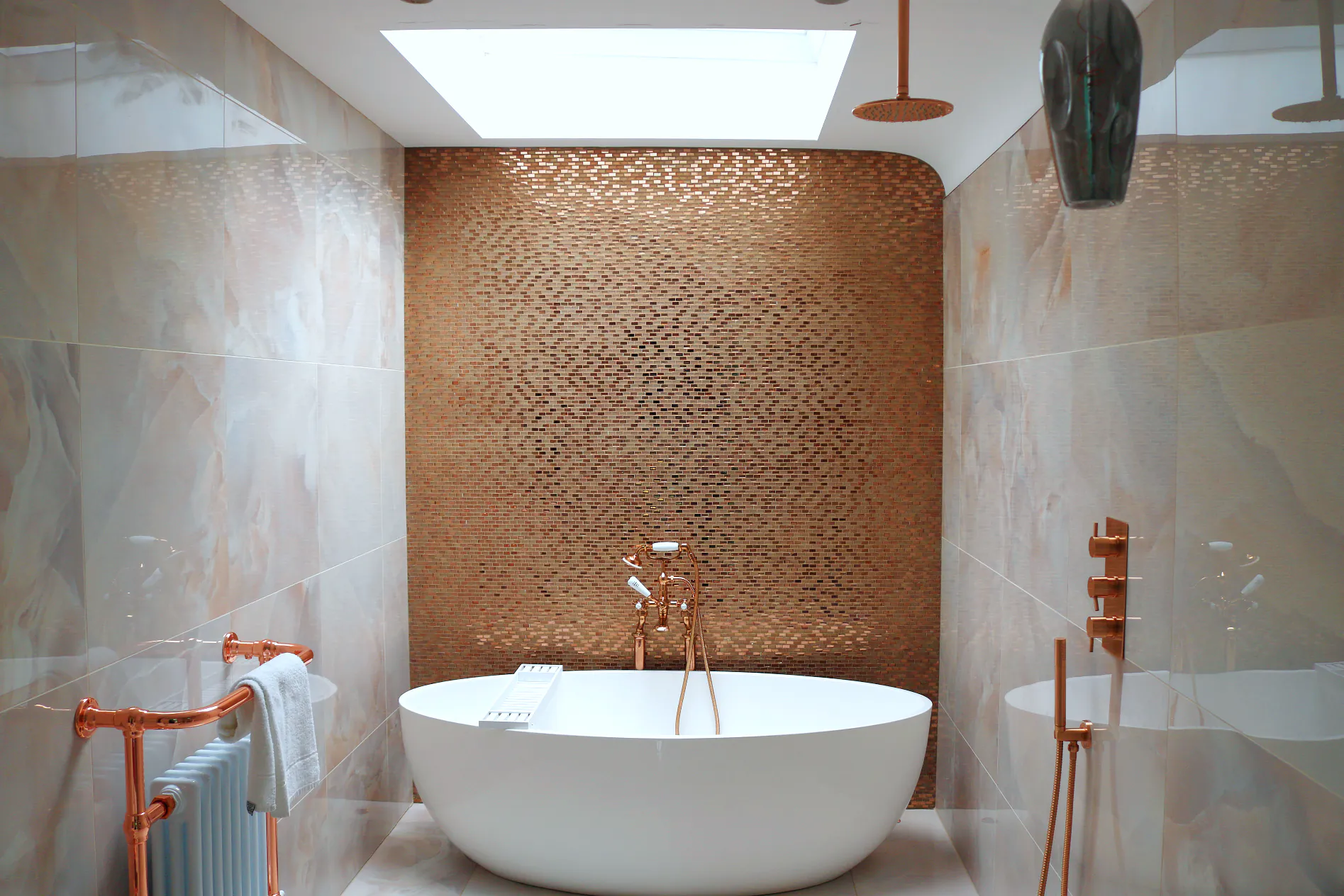
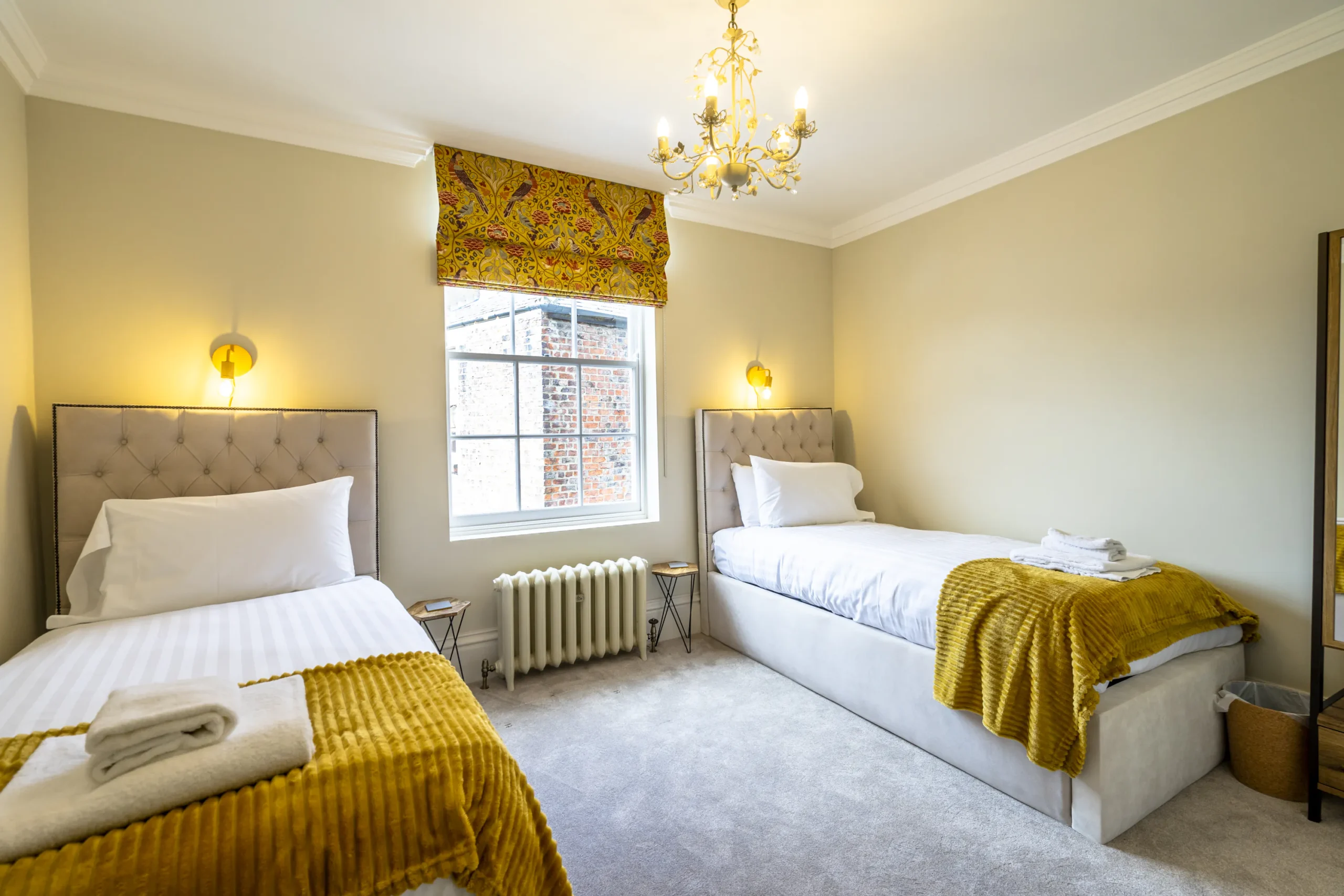
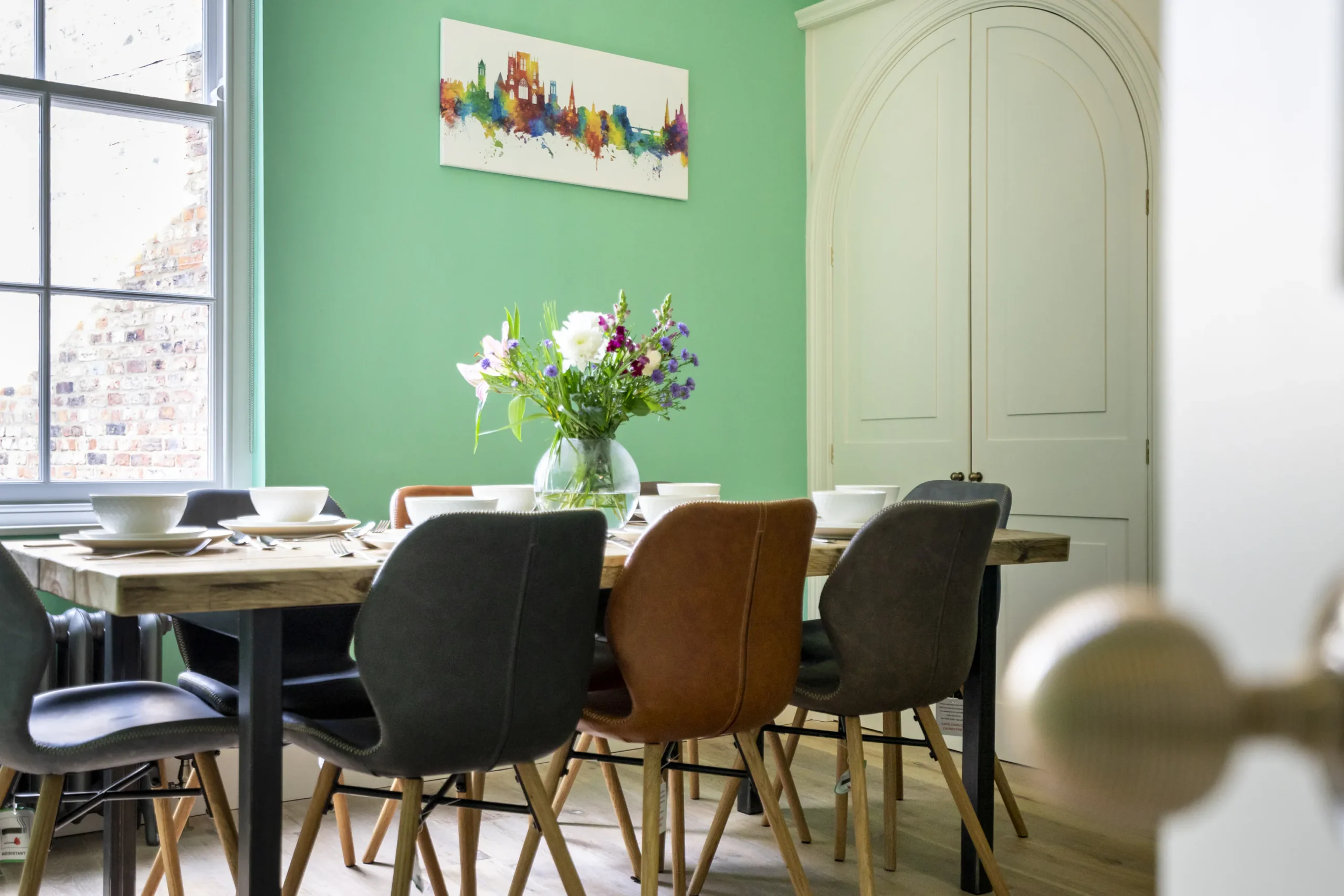
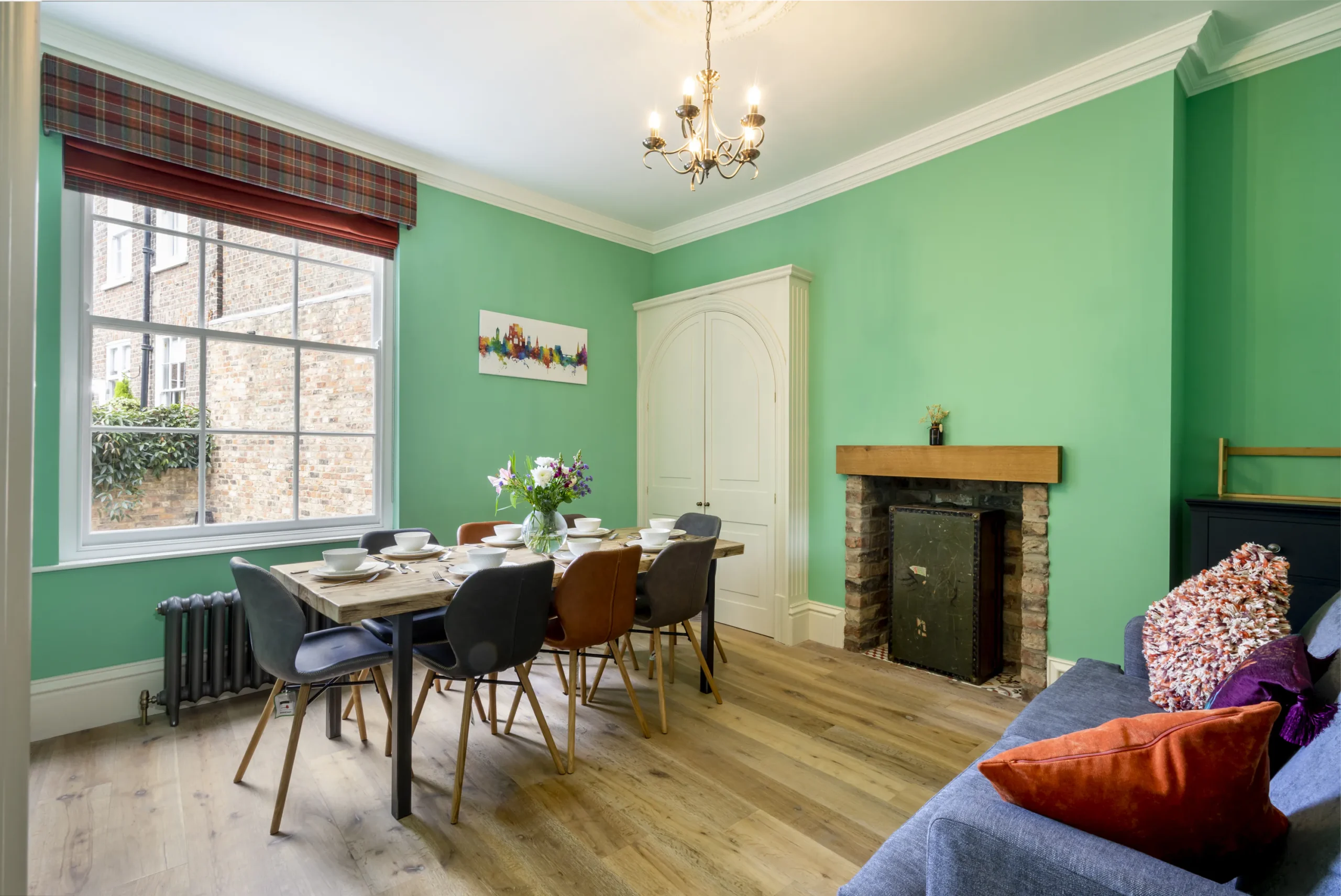
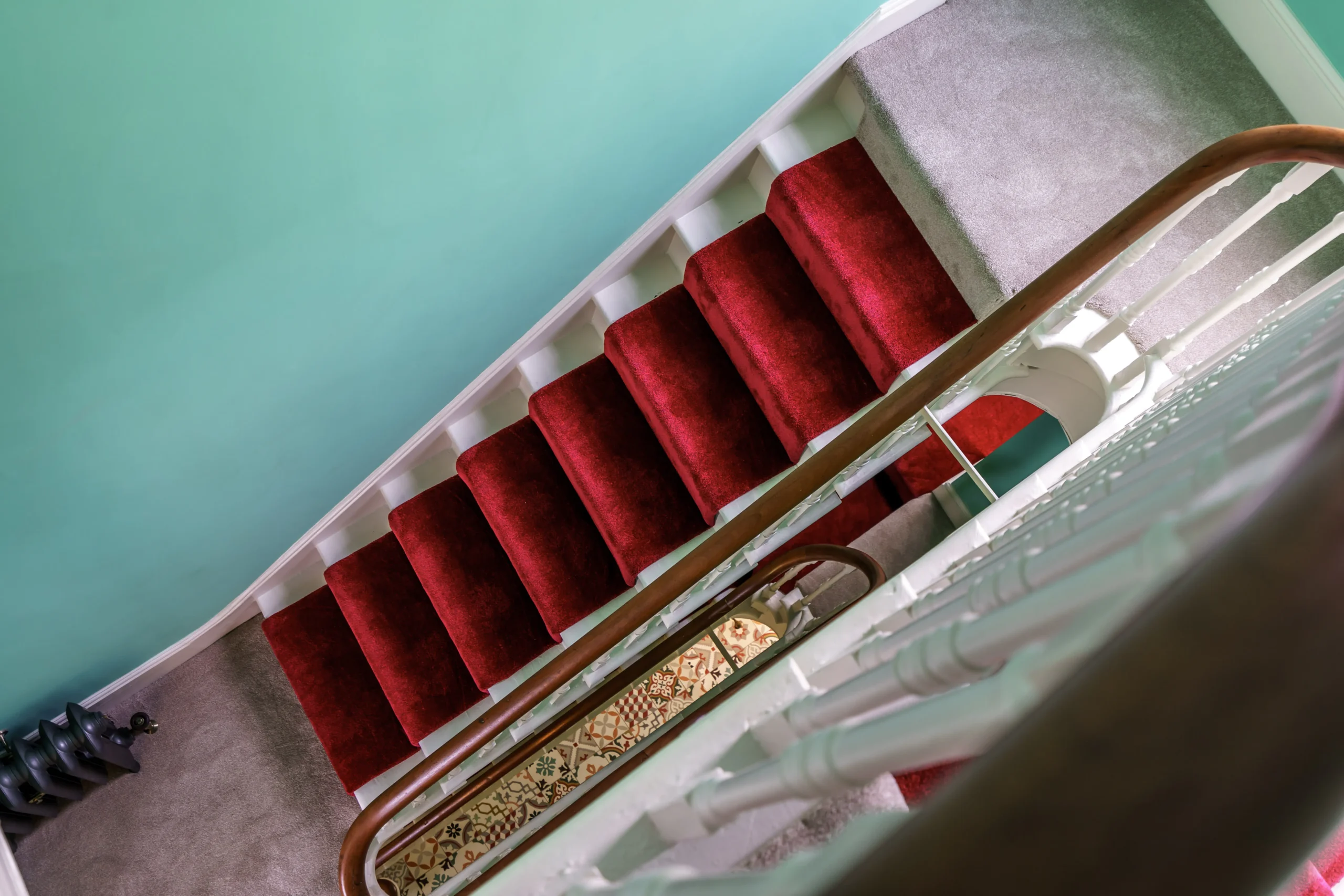
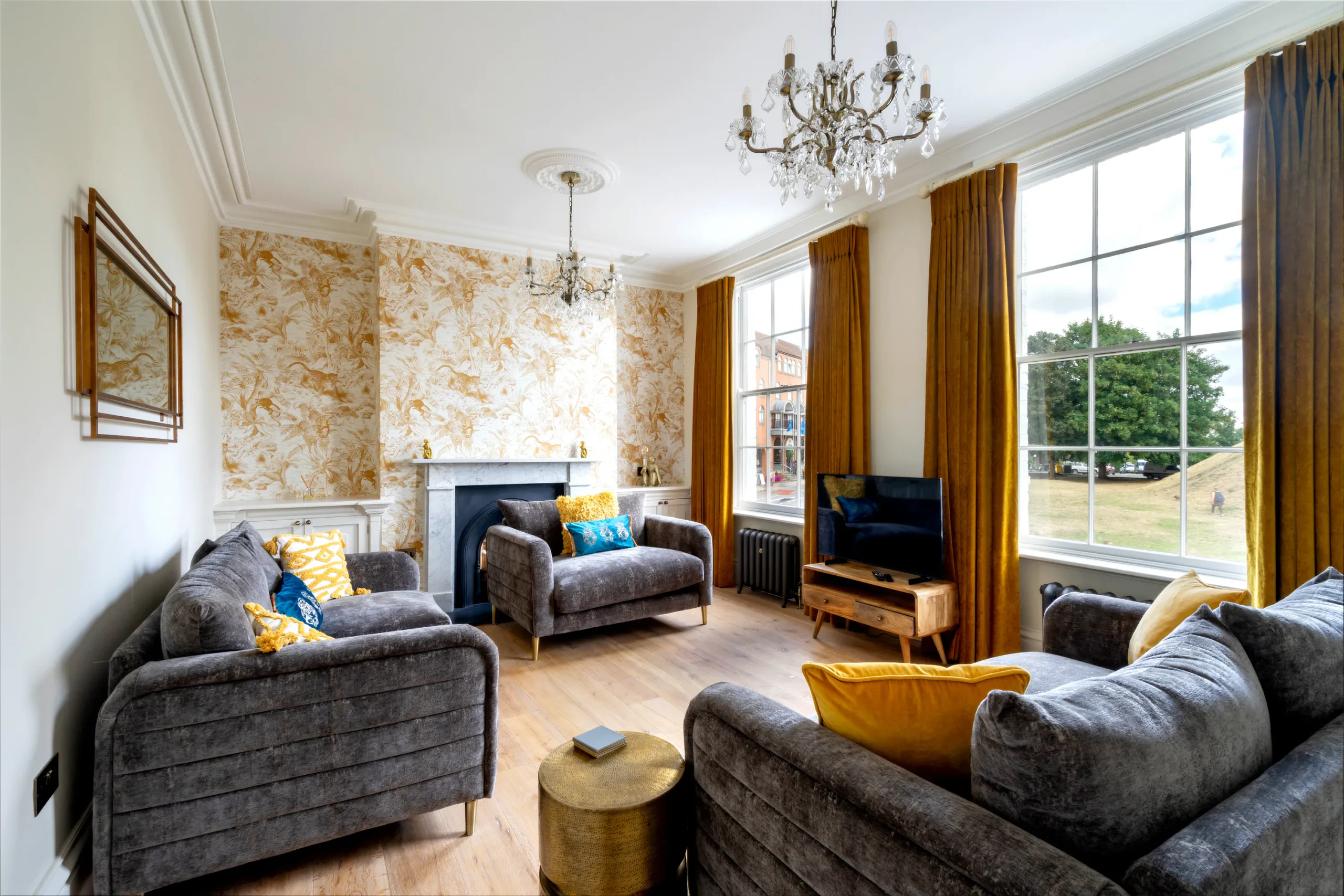
- Modern Amenities: The addition effortlessly accommodates a new kitchen, accessible WC, bicycle storage, and a new first-floor bathroom, allowing the internal Victorian aesthetic to be fully restored.
2023 York Design Awards & Press Acclaim
The true triumph of this contemporary rear extension to a Grade II listed townhouse in a conservation area is reflected in its reception.
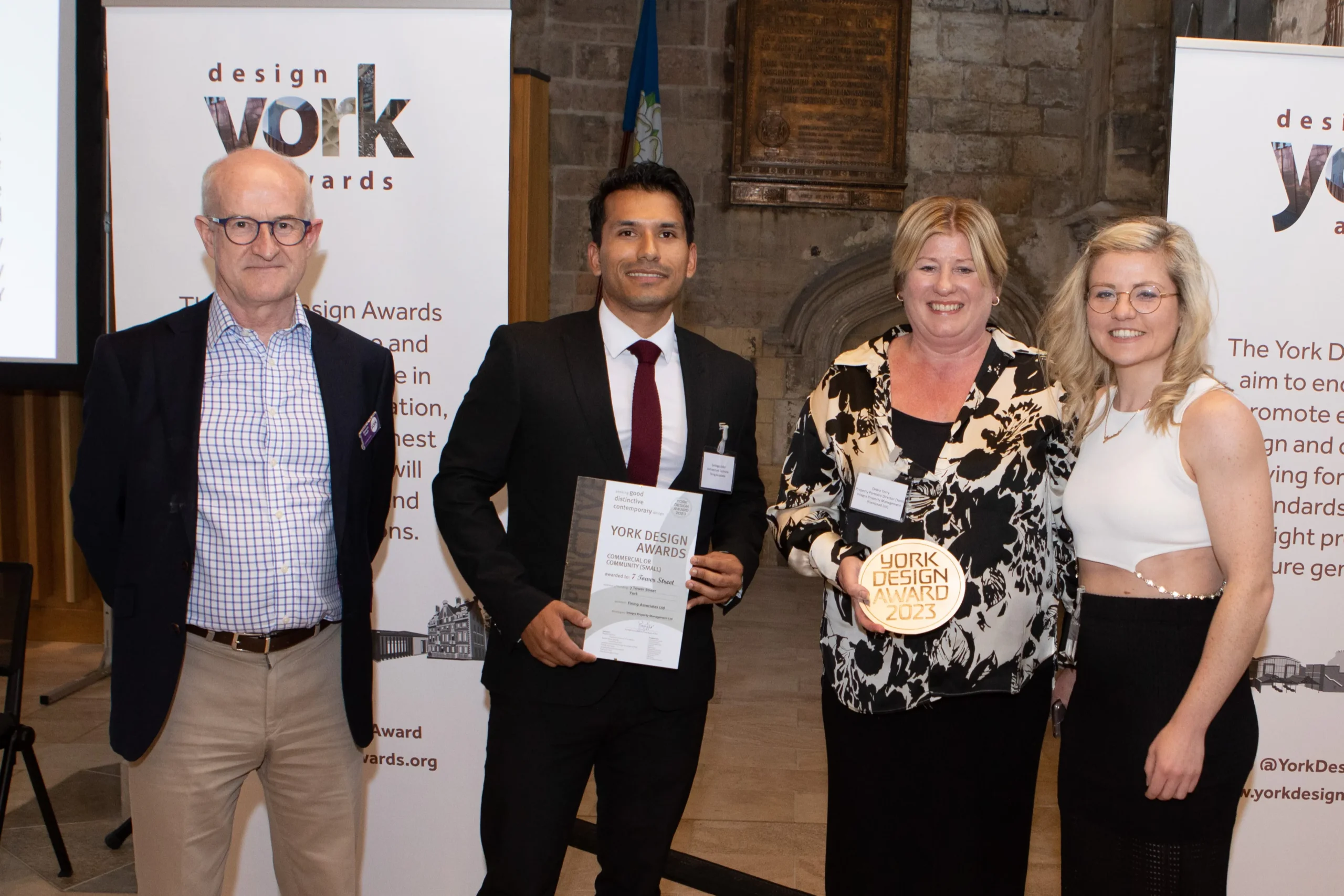
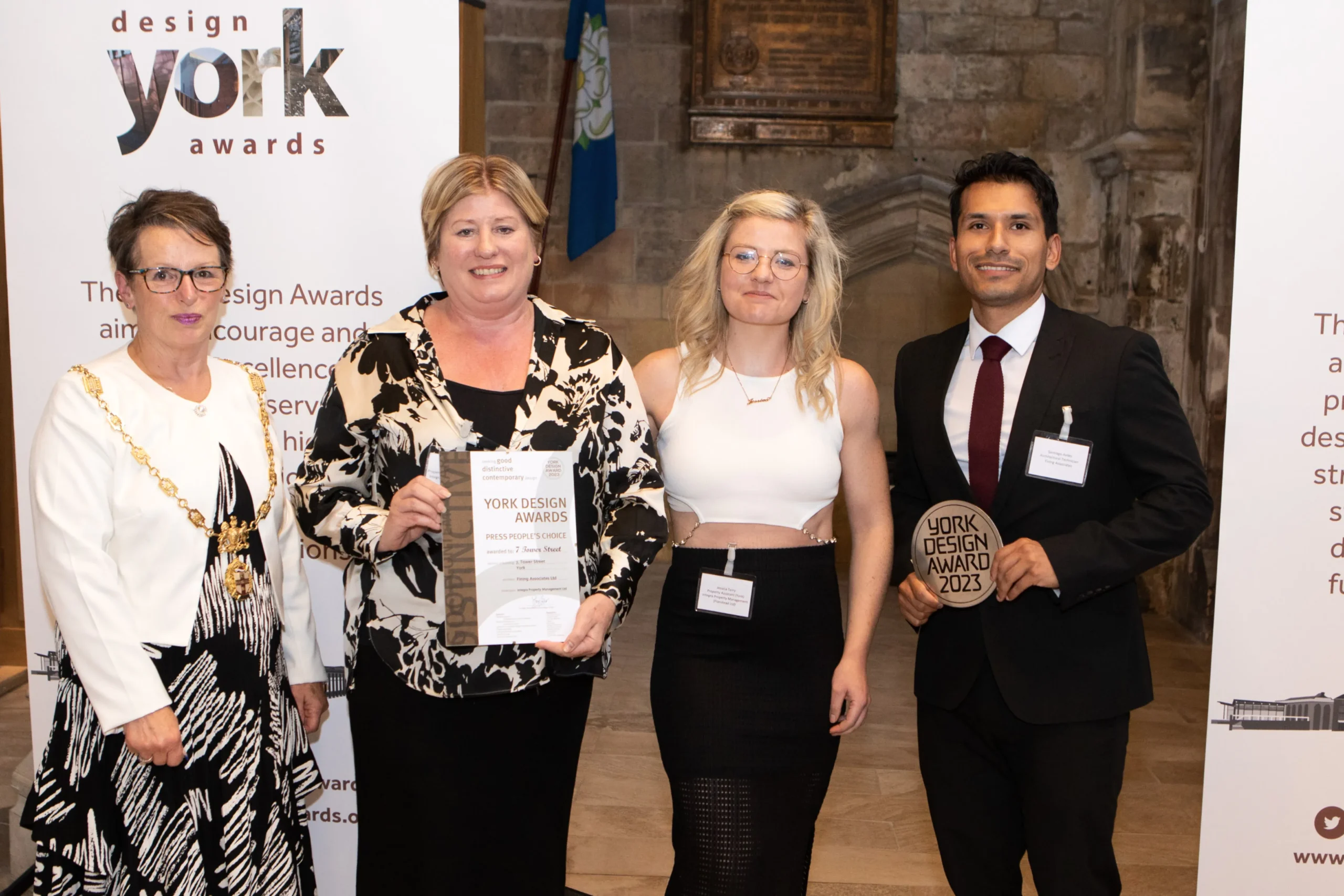
At the 2023 York Design Awards, the project was honoured with two distinct accolades:
- The Commercial/Community Category Award: Selected by a panel of expert architectural judges.
- The People’s Choice Award: Voted for by members of the public.
This dual recognition is incredibly significant. It proves that a modern design can sit comfortably alongside a Victorian listed building in the eyes of both strict industry professionals and the general public. These accolades proudly build upon Fining Associates’ previous York Design Award victories in 2009 and 2013.
As Featured In:
The success of the 7 Tower Street project has also been recognized across the regional press:
- The Yorkshire Post: Fabulous homes and a brilliant bridge were among the winners of the York Design Awards 2023
- The York Press: York Design Awards celebrates York architecture
- YorkMix: The best buildings in York revealed: All the winners of the 2023 Design Awards