
Identifying the Vision Gap
Where others see limitations, we identify opportunity. On a prominent corner plot at the junction of Manor Lane and Holyrood Drive, previous architects had secured planning permission for merely two dormer bungalows across two separate applications in 2013 and 2015. Those permissions remained unbuilt. When our client approached us, we immediately recognized the site’s untapped potential. By applying a robust planning strategy and more sophisticated design capability, we successfully doubled the housing output, securing permission for four high-quality, three-bedroom semi-detached family homes.
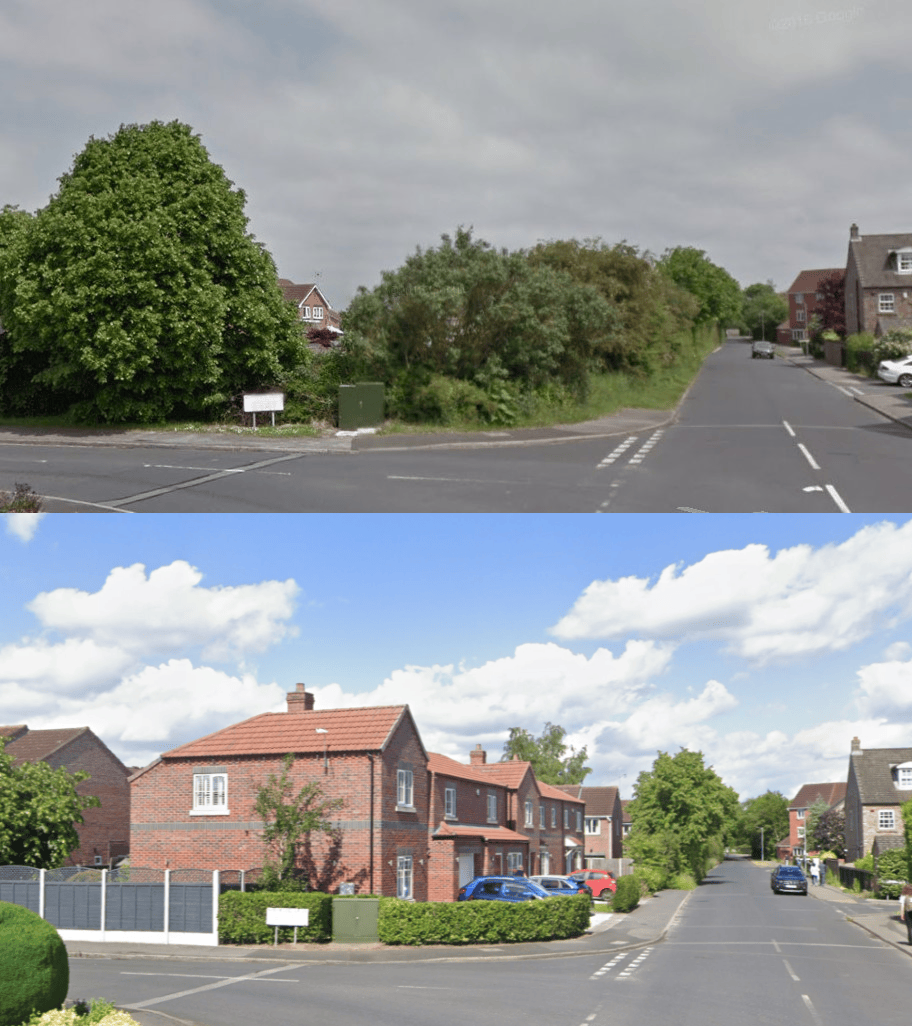
Strategic Alignment and Commercial Delivery
This ambitious approach actively aligned with York Local Plan Policy SS1, which establishes the Council’s strategy for delivering sustainable growth and explicitly recognises the important contribution that windfall developments make to the local housing stock. By fulfilling the city’s strategic housing objectives, the scheme transformed the site’s commercial profile. Land Registry records show the four completed homes sold for £315,000, £295,000, £295,000, and £280,000, delivering a total development value of approximately £1.185 million and maximizing the return on investment for our client.
we developed a contextually sensitive architectural response that optimized the site without compromising its surroundings. The design employs an asymmetric roof form specifically engineered to mitigate overlooking into neighbouring gardens. The rear elevations feature single-storey projections, substantially reducing massing at the boundary interface, while a deliberate physical gap between the two pairs of semi-detached properties provides essential visual relief.
The site layout was carefully orchestrated to successfully retain and protect two moderate-quality, TPO-protected lime trees (Category B, BS 5837:2012) on the western boundary. Furthermore, the design prioritized sustainability, integrating external electric vehicle (EV) charging sockets, solar photovoltaic (PV) panels, and high-performance insulation.
Navigating the Planning Challenge
Unlocking this value required rigorous technical execution to overcome local opposition. The 838 m² former paddock initially faced resistance, with the City of York Council refusing the application on two specific grounds:
- Overdevelopment: Asserting that the massing, scale, and loss of frontage hedging would harm the open character of Manor Lane.
- Neighbour Amenity: Claiming the proposed homes would have an overbearing impact and cause a loss of daylight to adjacent properties on Holyrood Drive.
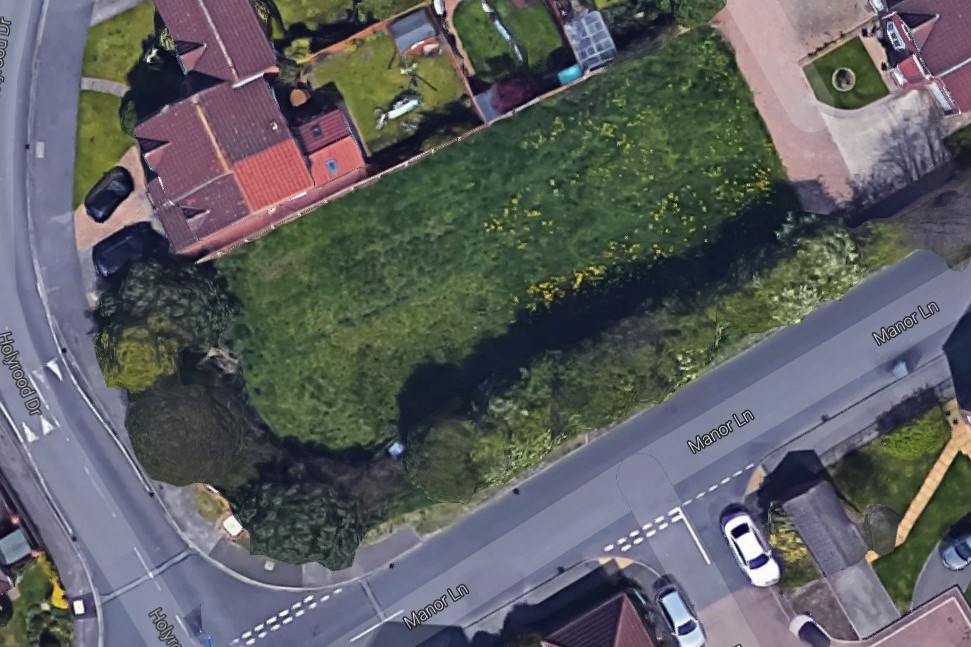
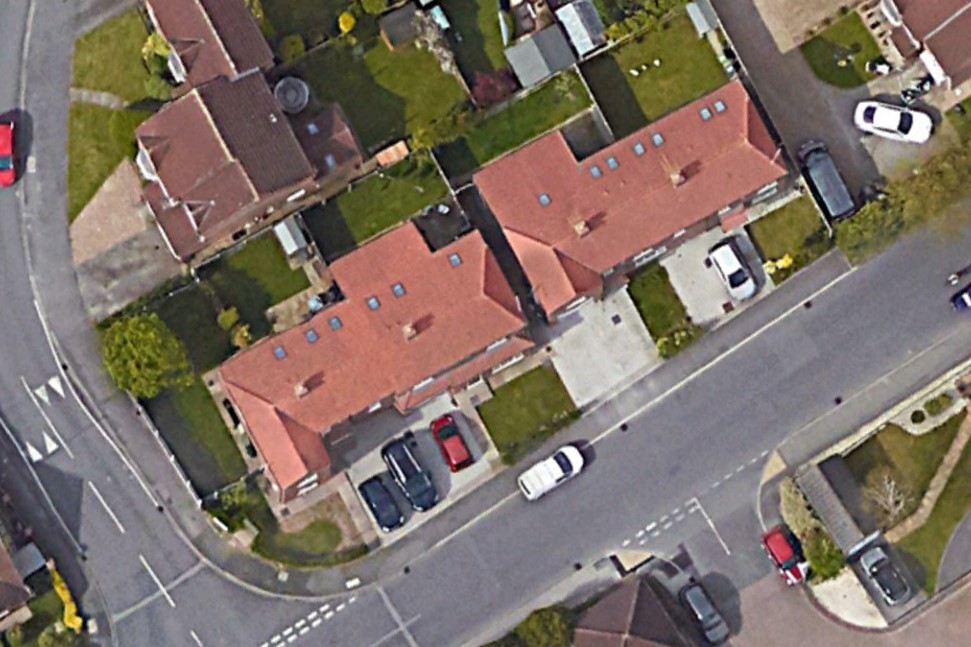
The Appeal Victory: Evidence Over Assumption
Taking the case to appeal, we successfully demonstrated the scheme’s full compliance with national planning policy. Assessed against the National Planning Policy Framework (NPPF) and its Paragraph 14 presumption in favour of sustainable development, the Planning Inspector overturned the Council’s refusal and granted full planning permission.
The Inspector validated our architectural strategy, definitively dismissing the Council’s daylight concerns by noting the authority had relied on a “very general assumption” without presenting specific evidence. The separation distances and single-storey rear projections were judged entirely satisfactory, proving conclusively that the bespoke design avoided overdevelopment while fully safeguarding neighbour amenity.
This Rawcliffe infill project stands as a prime example of how intelligent architecture and assertive planning strategy can unlock maximum land value, delivering high-quality housing that precisely meets both commercial ambitions and local policy demands.