Project Overview
- Location: 1 Peckitt Street and 6 Tower Street, York
- Sector: Residential Conversion & Heritage Conservation
- Status: Completed
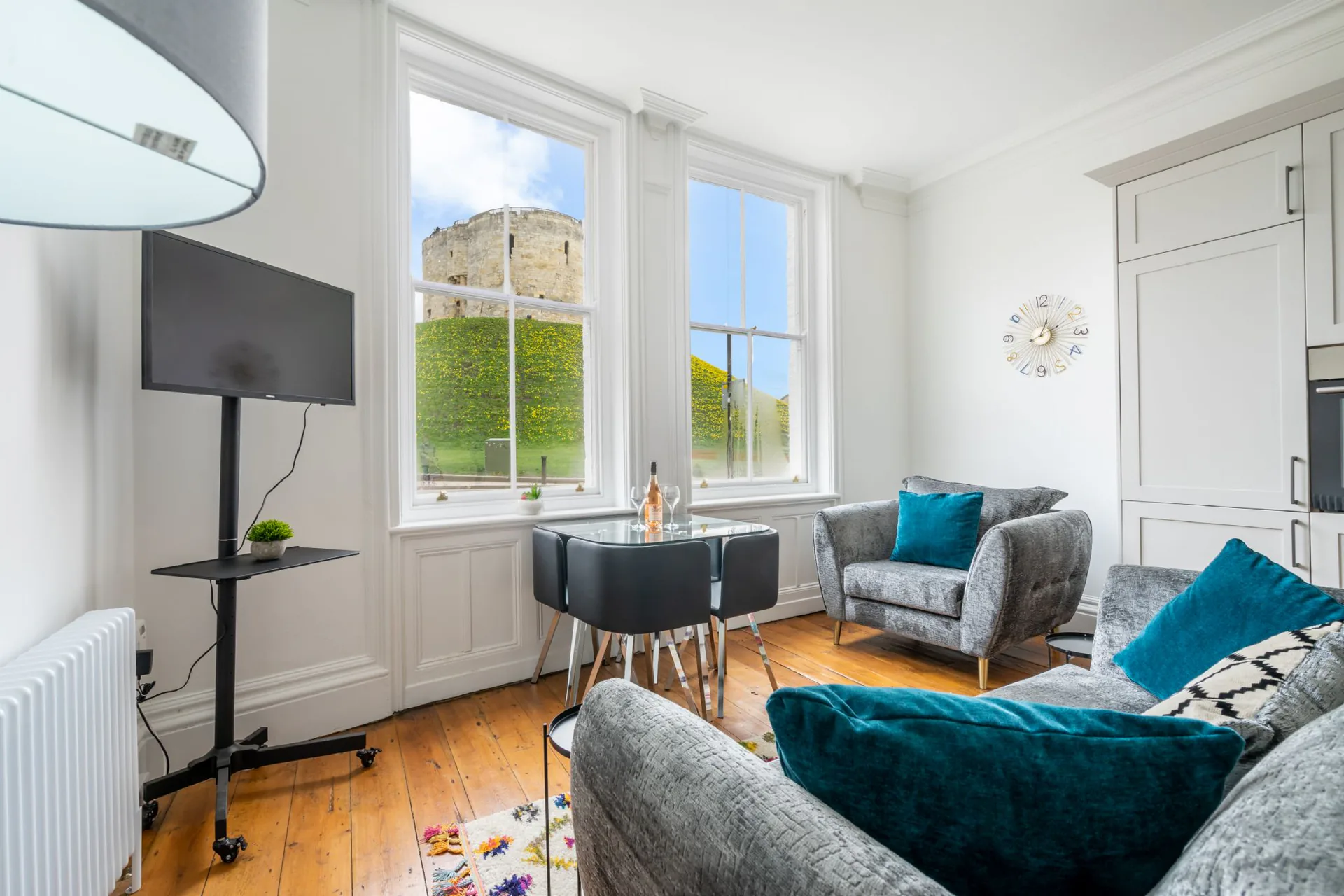
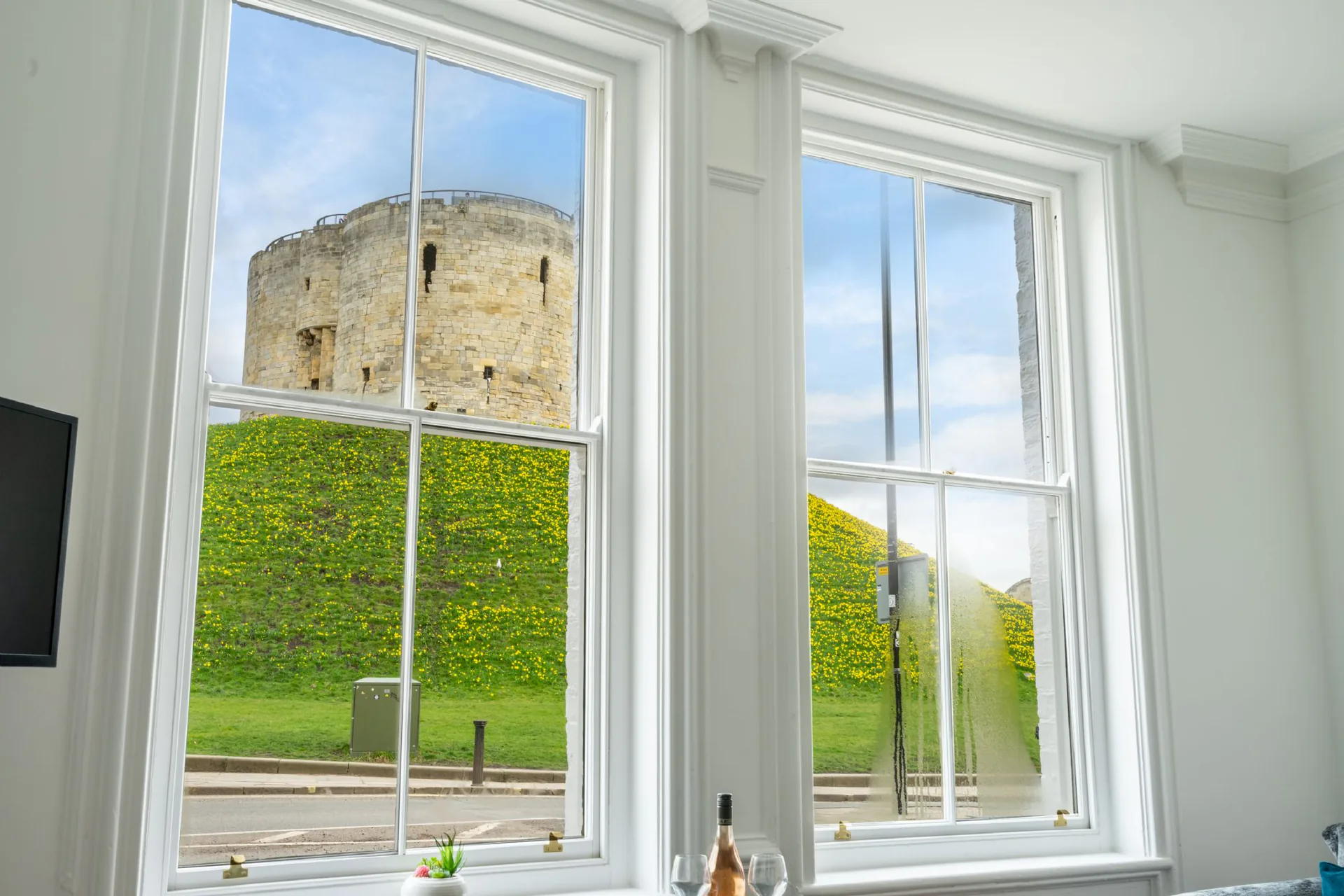
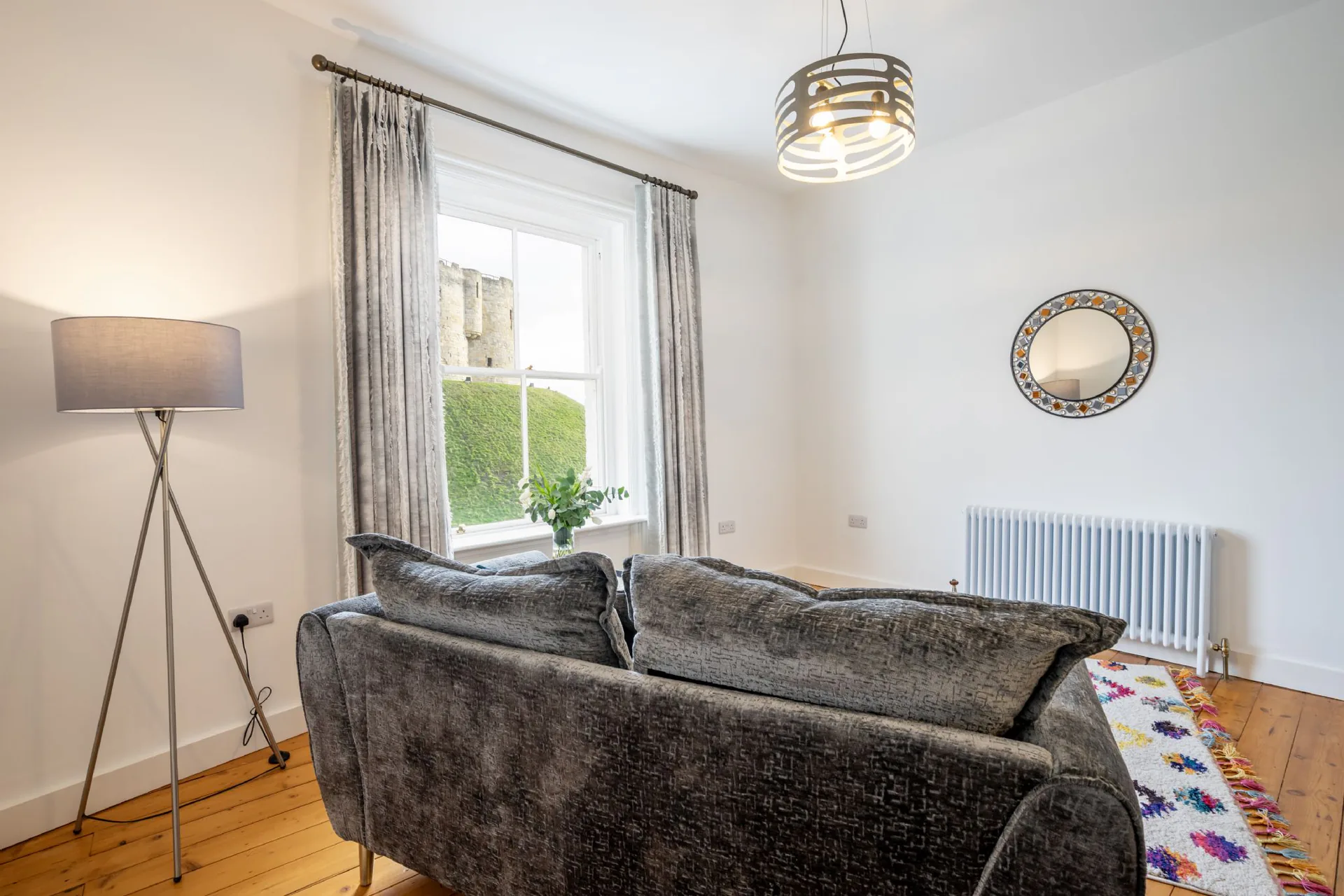
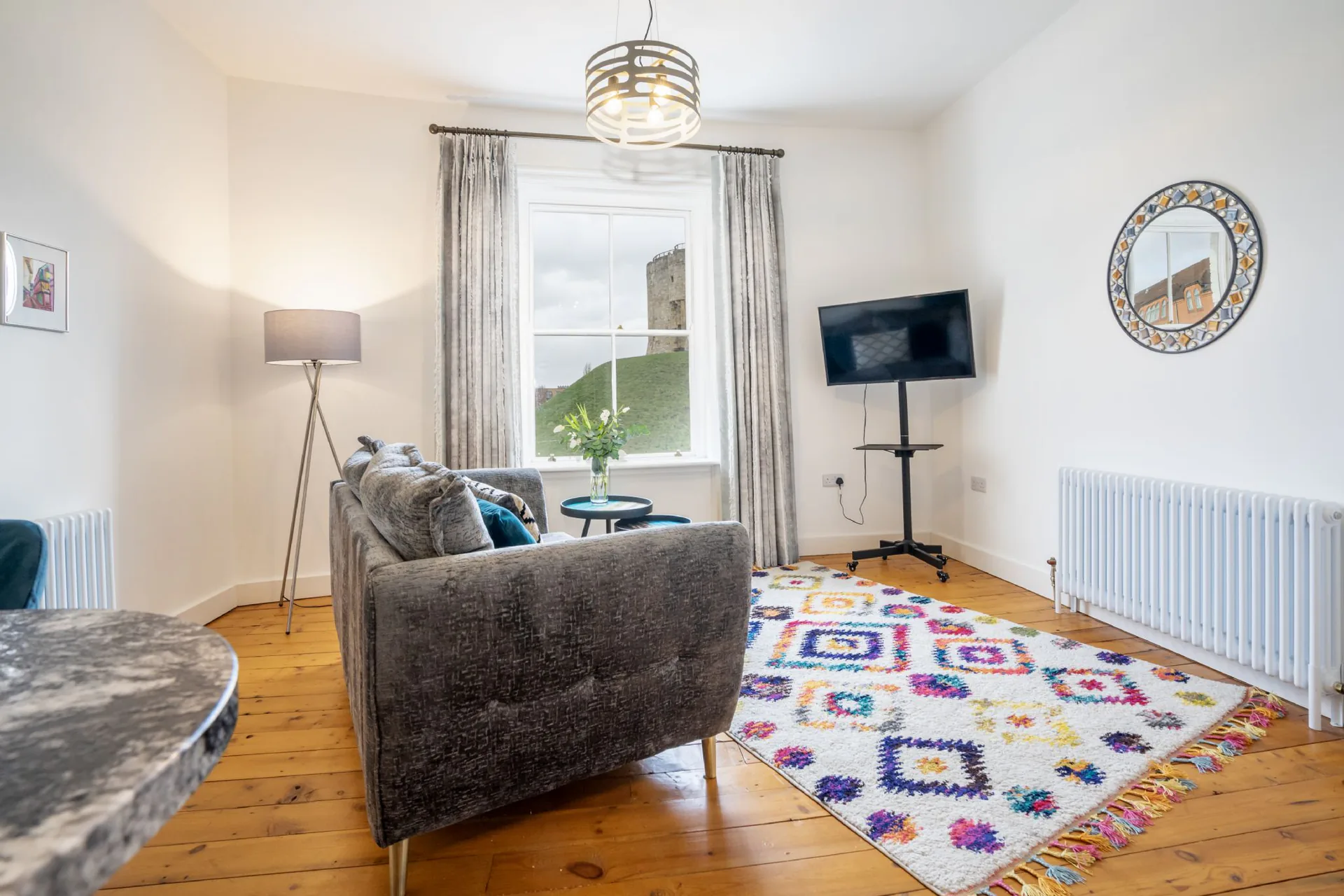
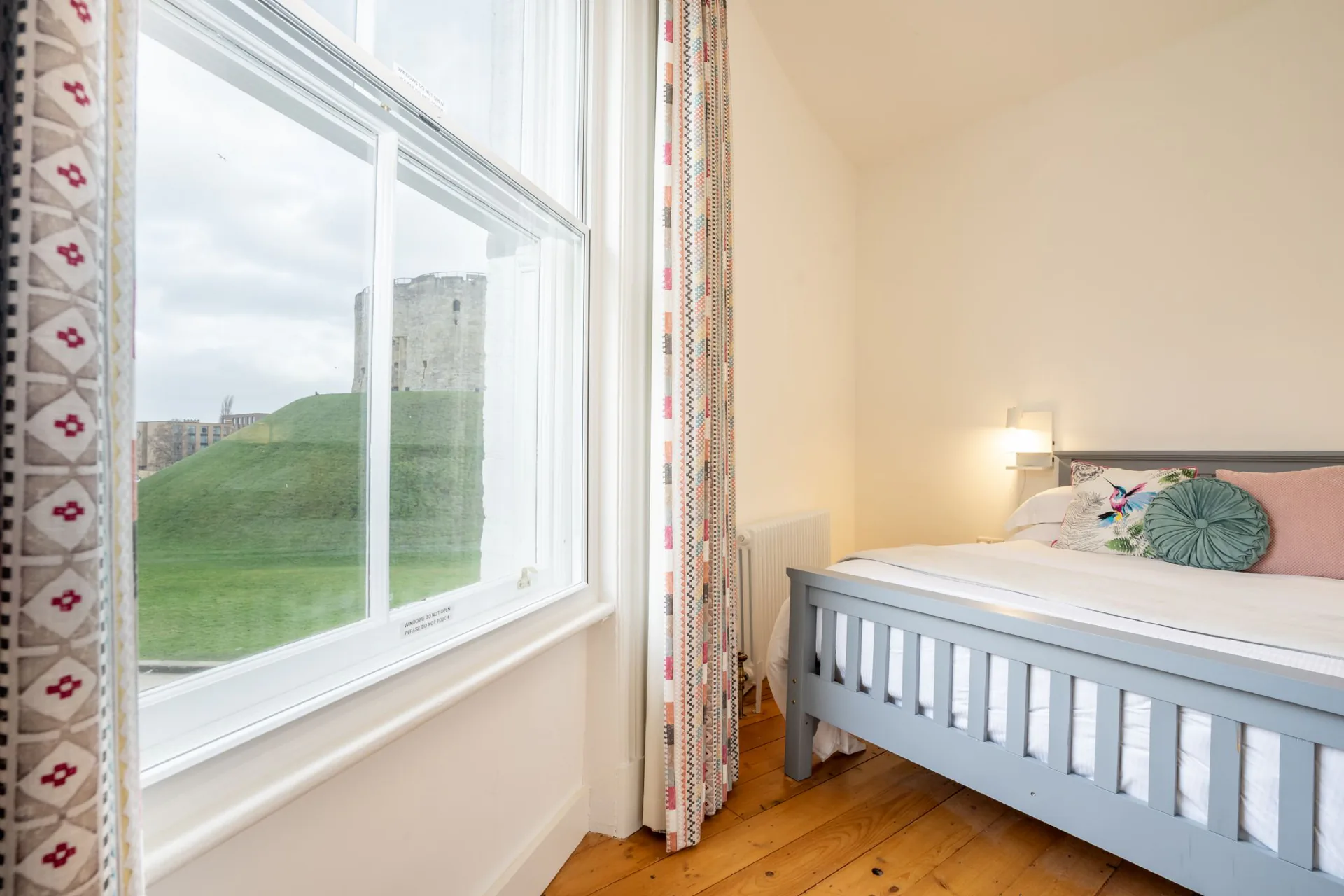
Set in the heart of the York Central Historic Core Conservation Area and positioned directly opposite the iconic Clifford’s Tower, this project involved the sensitive transformation of heavily altered Grade II listed buildings. Having sat vacant since May 2013, the brief was to breathe new life into these historic structures, returning them to their historically intended residential use through the creation of five high-quality apartments across 1 Peckitt Street and 6 Tower Street.
Site History and Evolution
Securing permission for this complex site was not a straightforward process. The initial application was refused by the City of York Council in January 2018. We took the project to appeal, and in January 2019 the Planning Inspector granted full planning permission and listed building consent for the change of use and all internal and external alterations, recognising that the conservation-led conversion delivered significant public benefits, including extensive window repairs and the delivery of much-needed housing, that outweighed any limited harm to the historic fabric.
Navigating the Planning and Appeal Process
Securing permission for this complex site was not a straightforward process. Operating under a strict “Heritage 1st” design philosophy, we submitted a comprehensive scheme, but the entire planning application was refused by the City of York Council in January 2018. While the Council’s Delegated Report actually supported the residential conversion in principle, the entire application was rejected on a single ground: their objection to a proposed rear extension at No. 7 Tower Street, which they felt would harm an original 19th-century window.
We successfully took the project to appeal. In January 2019, the Planning Inspector recognized that our core conservation-led conversion offered significant public heritage benefits, including extensive window repairs and the delivery of needed housing, which outweighed any limited harm. Ultimately, the Inspector allowed the appeal and granted full planning permission and listed building consent for the change of use and all internal and external alterations, while formally excluding the contested rear extension from the final approval.
The wider Tower Street element of this project is documented in our separate portfolio entry.
Respecting York’s Archaeological Heritage
The buildings are located within York’s Central Area of Archaeological Importance. Due to this designation, the planning permission included strict pre-commencement conditions regarding the site’s archaeology.
To comply with these requirements, we coordinated a formal archaeological programme with specialists. This involved implementing a continuous archaeological watching brief on all groundworks required for the development. Furthermore, we were required to undertake historic building recording to Historic England Level 2 standards, ensuring that elements of historic structure or decoration exposed or removed during the works were properly photographically recorded and documented.
Delivering Modern City Living
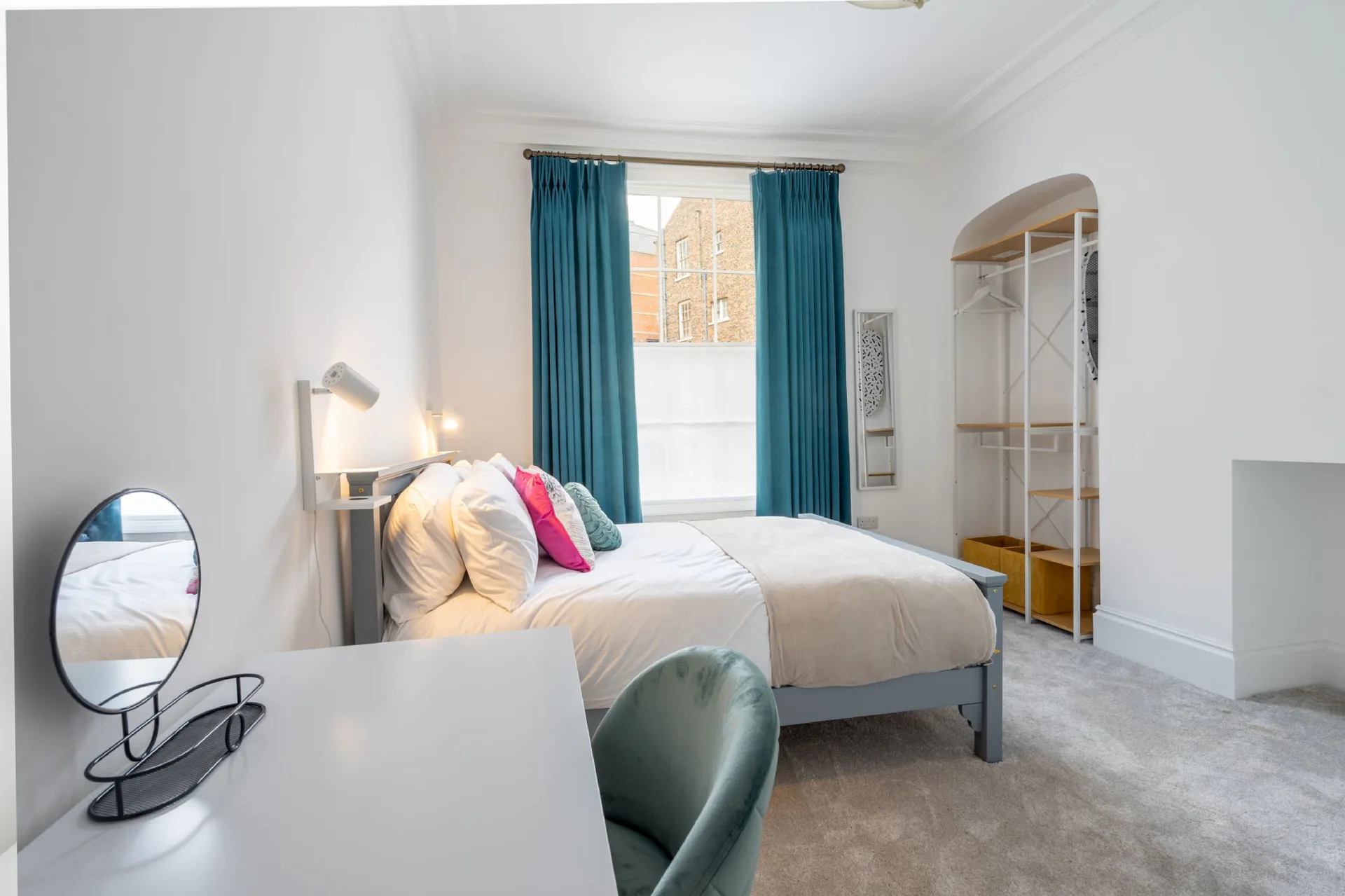
Every design decision was guided by a meticulous room-by-room heritage impact assessment to untangle the conjoined spaces and ensure contemporary living requirements were met with minimal loss to the historic fabric. The newly configured scheme successfully delivers five unique apartments:
- Flat 1 (Ground Floor, 2-bedroom): We removed 1970s American cherry wood office fittings and creatively subdivided a former meeting room to reinstate the probable original stair hall area. We also infilled modern door openings to re-establish the original rear party wall.
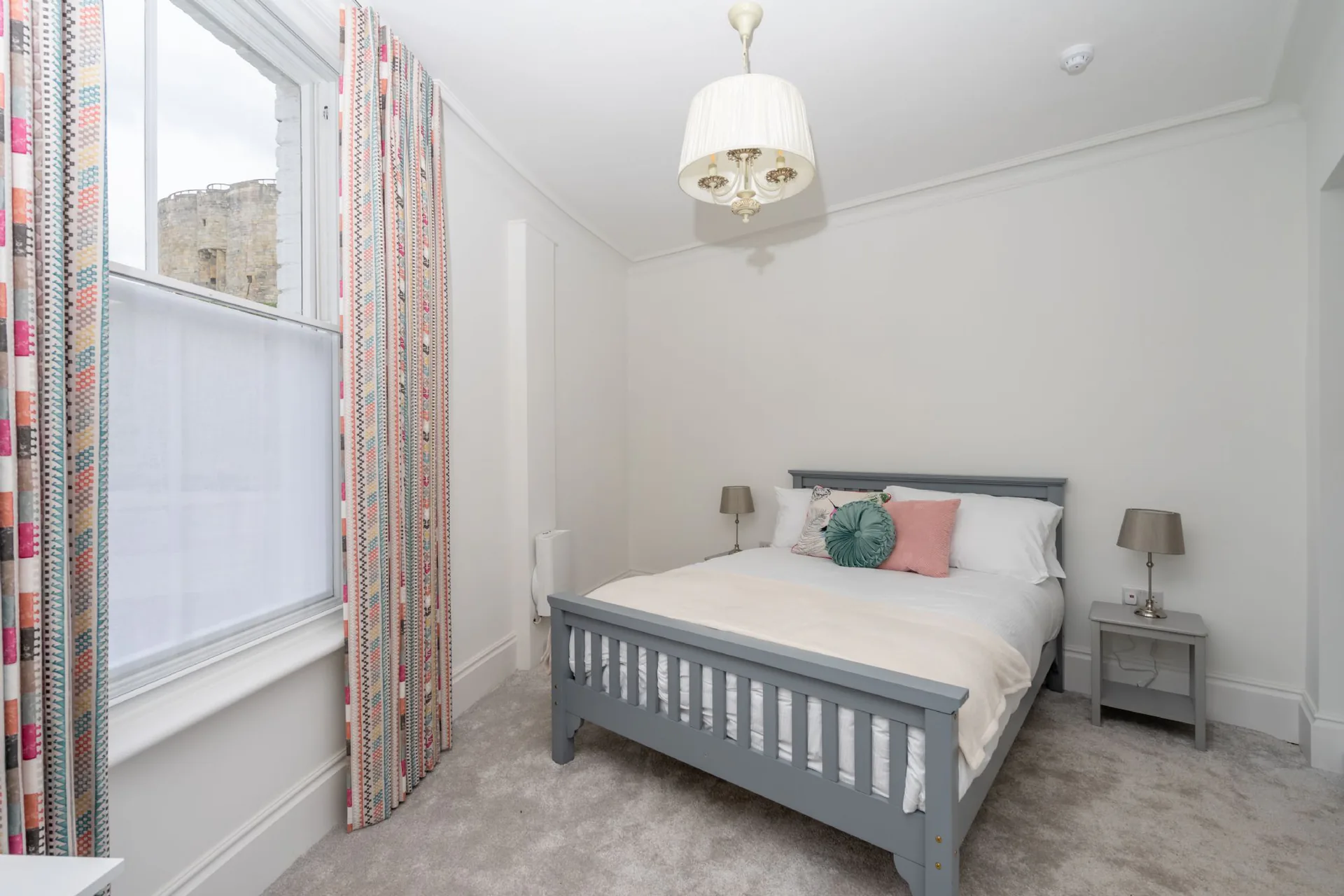
- Flat 2 (First Floor, former No. 6, 1-bedroom): A modern stud partition wall was replaced with a straight wall to introduce a more historically sympathetic spatial arrangement.
- Flat 3 (First Floor, No. 1, 1-bedroom): Historical form was recaptured by introducing new doors following historical precedents and removing intrusive 20th-century cupboards.
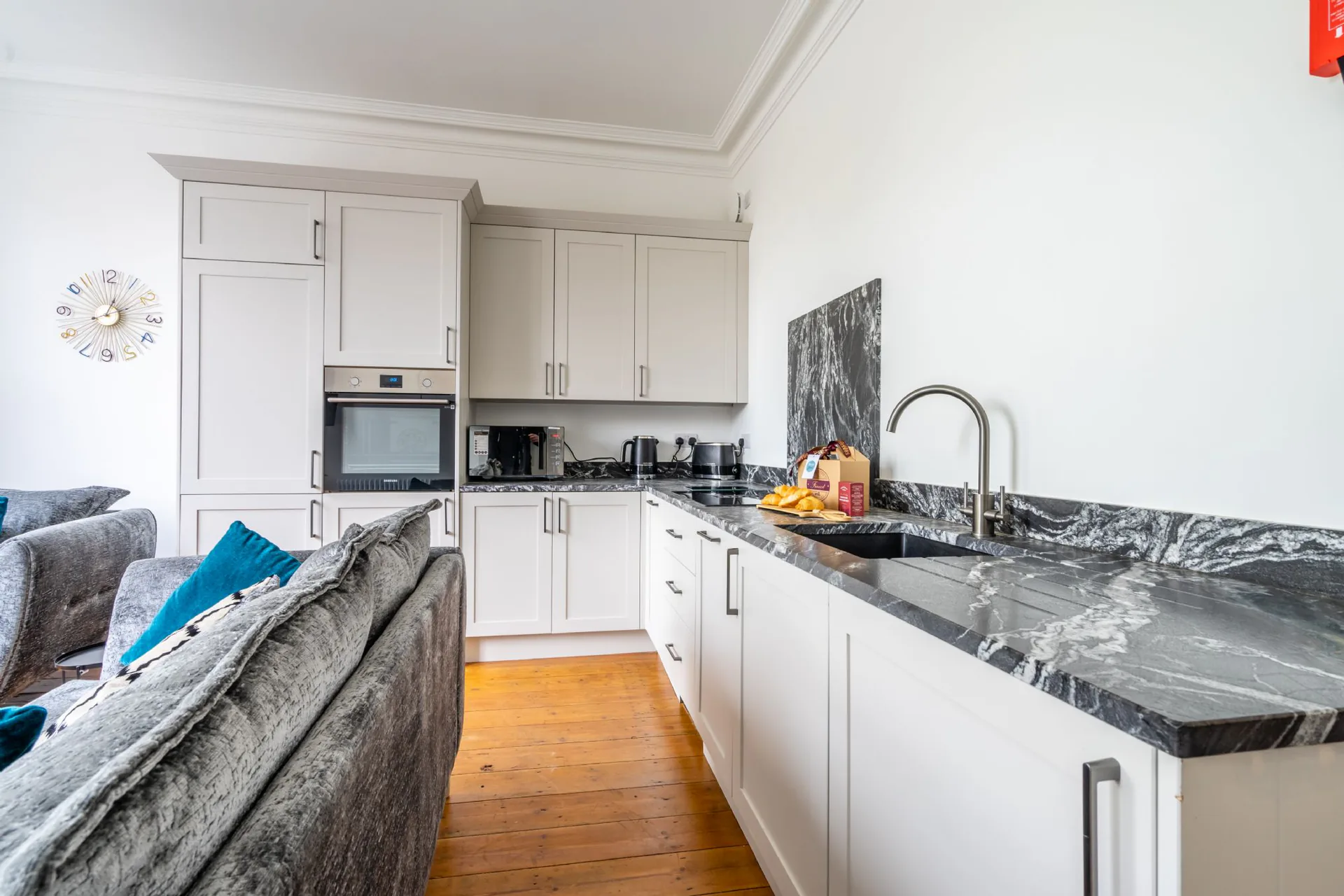
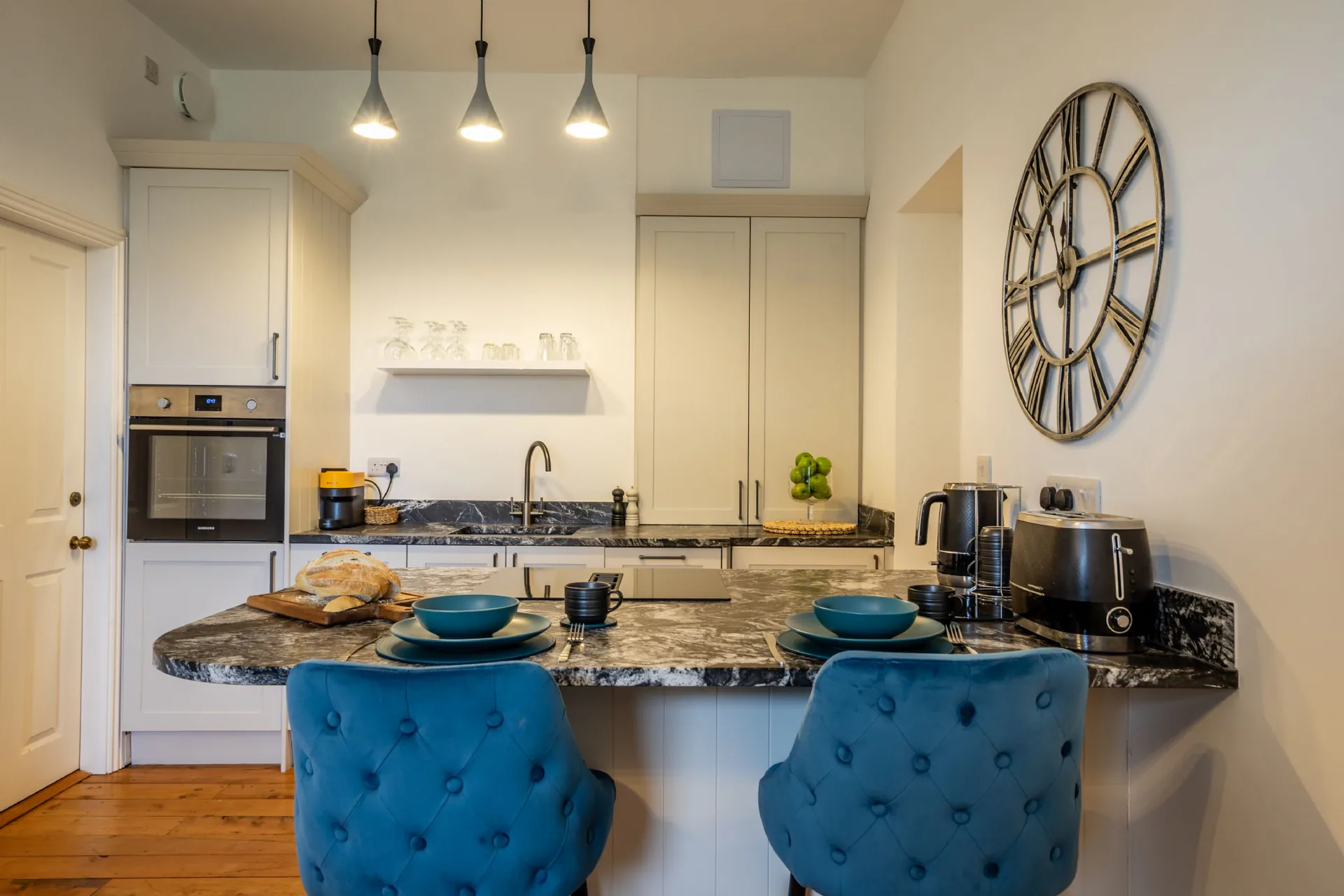
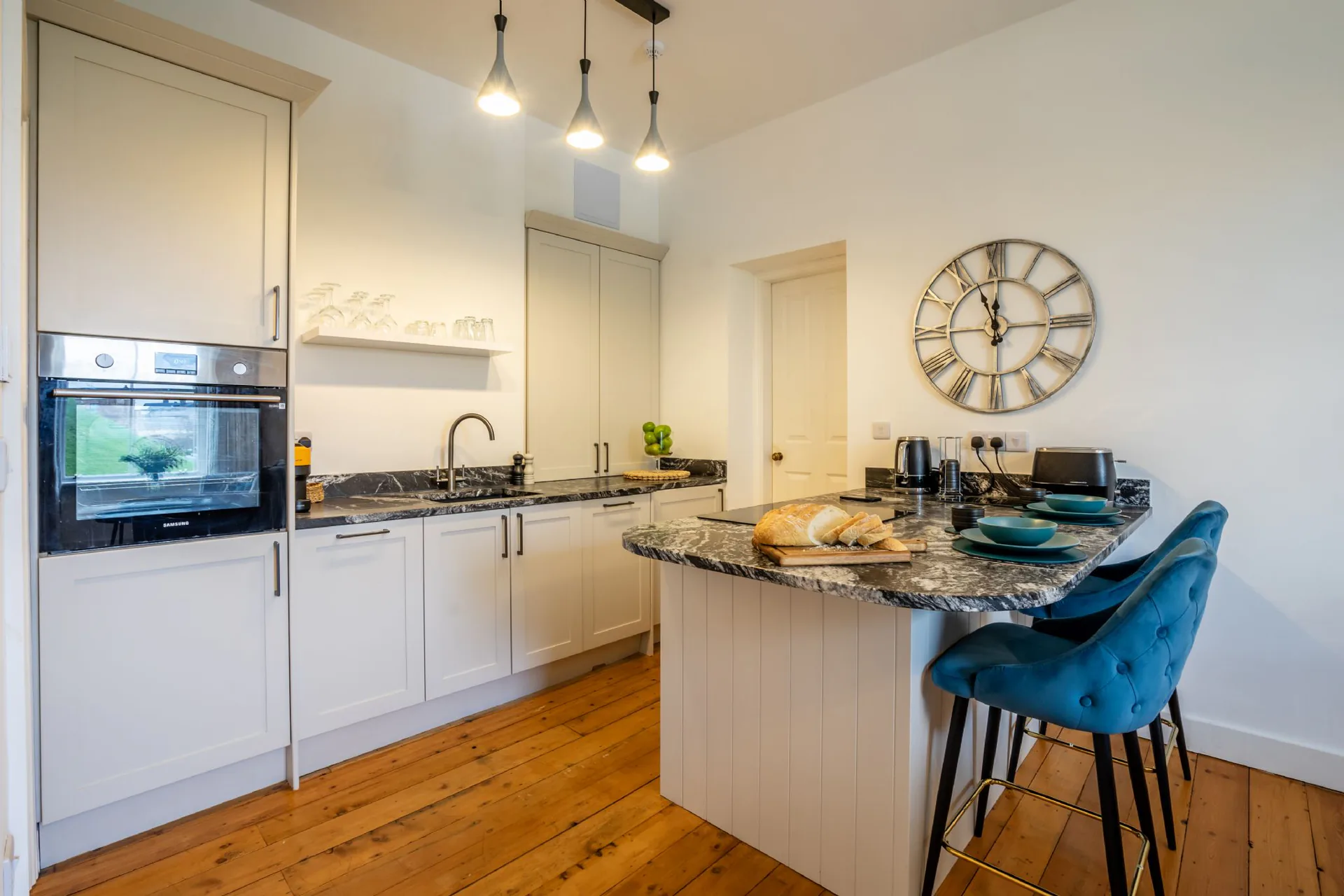
- Flat 4 (Second Floor, No. 1, 1-bedroom): Former office spaces that had entirely lost their historical character were converted into an inviting open-plan kitchen and lounge.
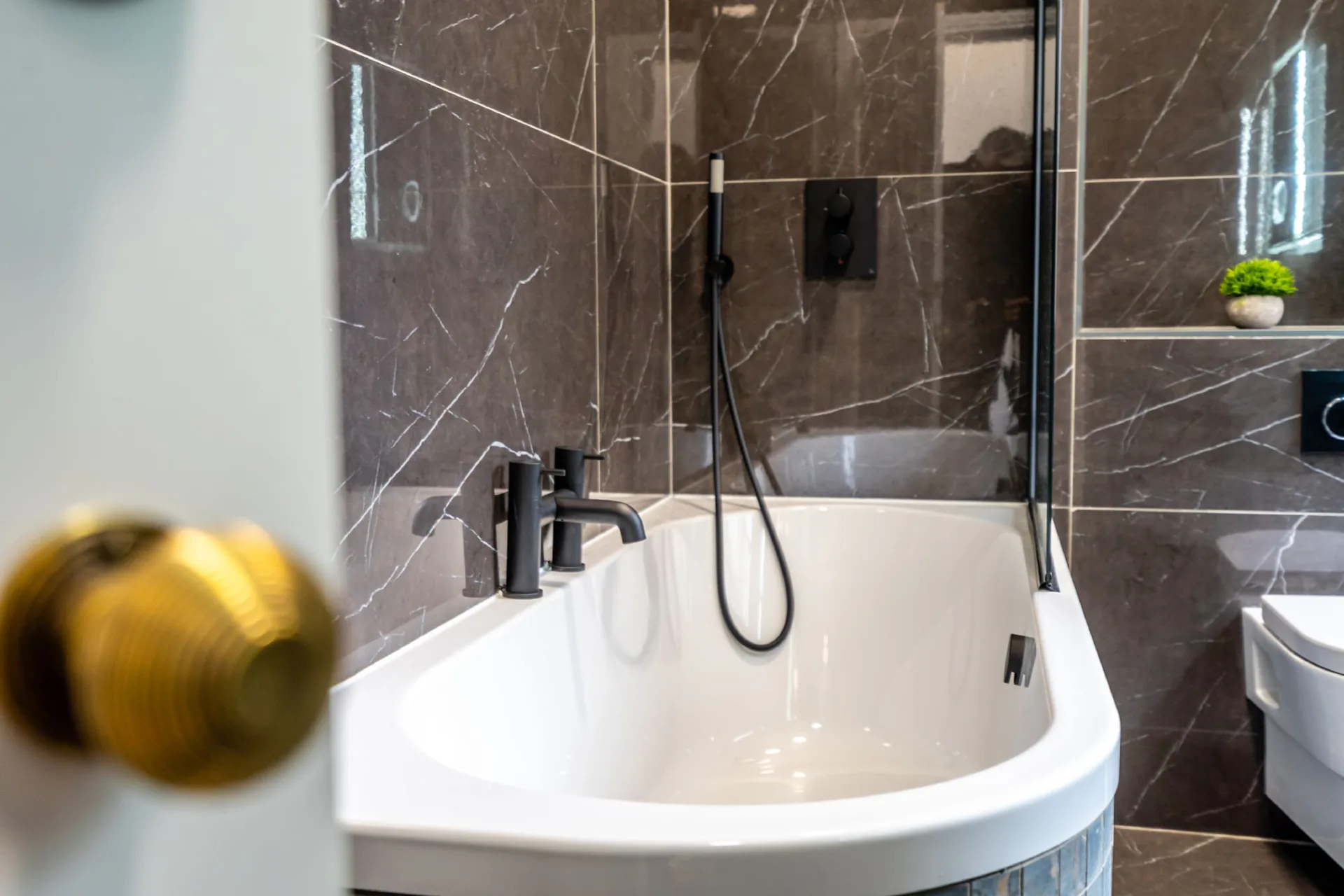
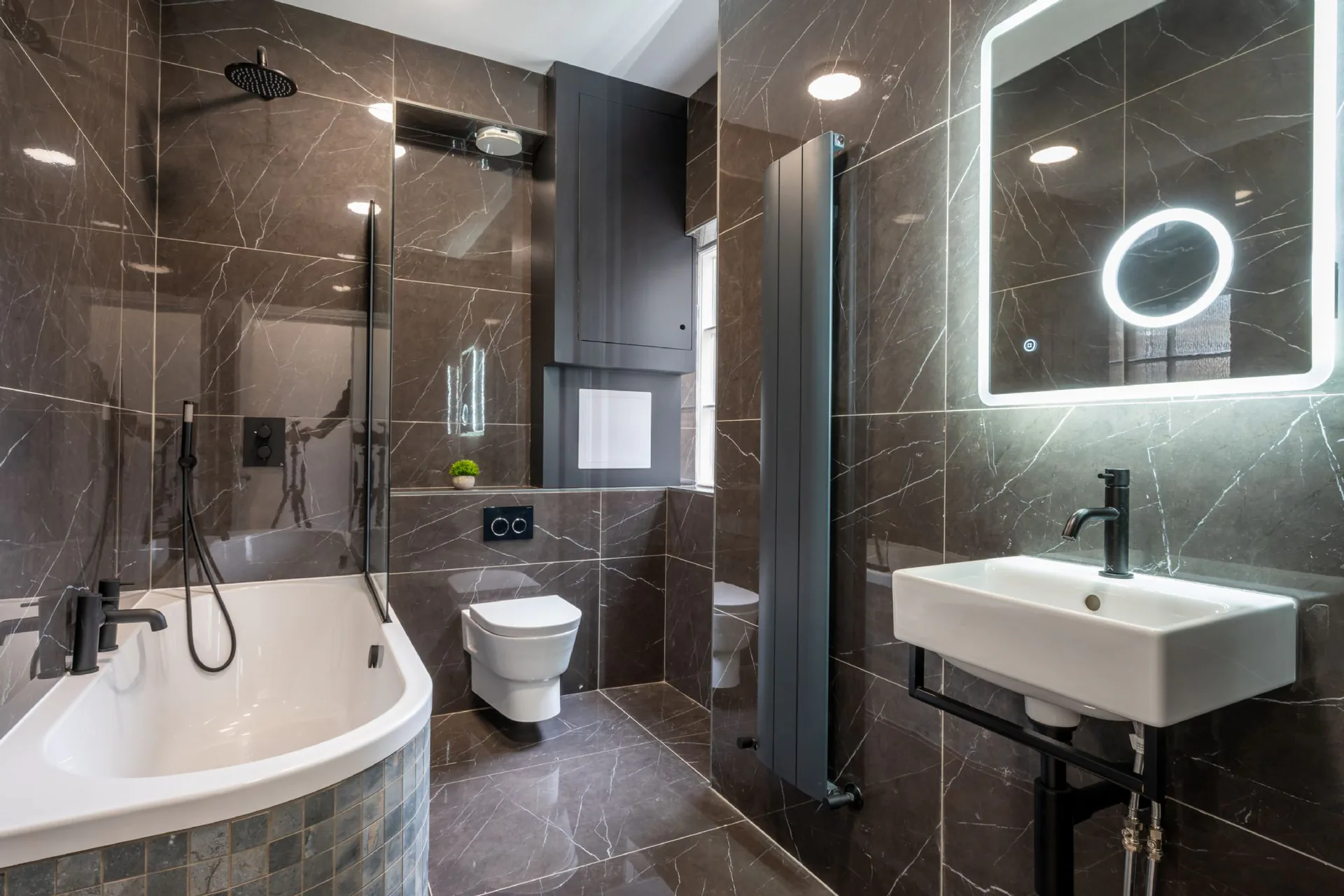
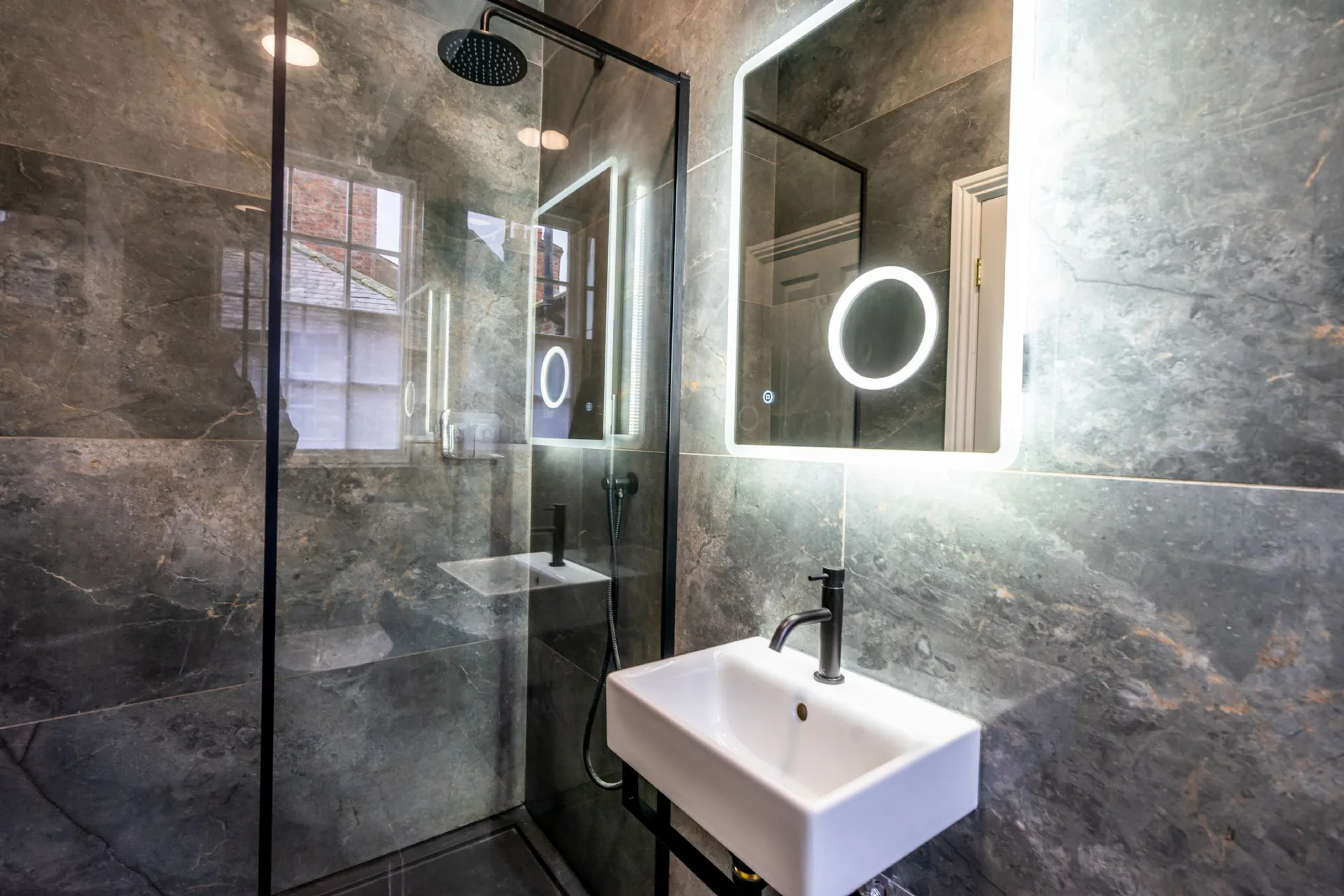
- Flat 5 (Second Floor, former No. 6, 1-bedroom): To preserve the building’s historical narrative, a potentially historic c.1930s door located in a former lobby was carefully encapsulated in situ during the bathroom conversion.
Conservation & Craftsmanship
Key architectural interventions were designed to celebrate the buildings’ surviving Victorian character:
- Preserving Historic Joinery: The original staircase in 1 Peckitt Street, featuring beautiful moulded turned balusters and a continuous handrail, was meticulously retained and protected.
- Celebrating Natural Light: The fine, tall round-headed window on the rear elevation of No. 1 Peckitt Street — recognised as the building’s most prominent rear feature — was preserved as a striking focal point.
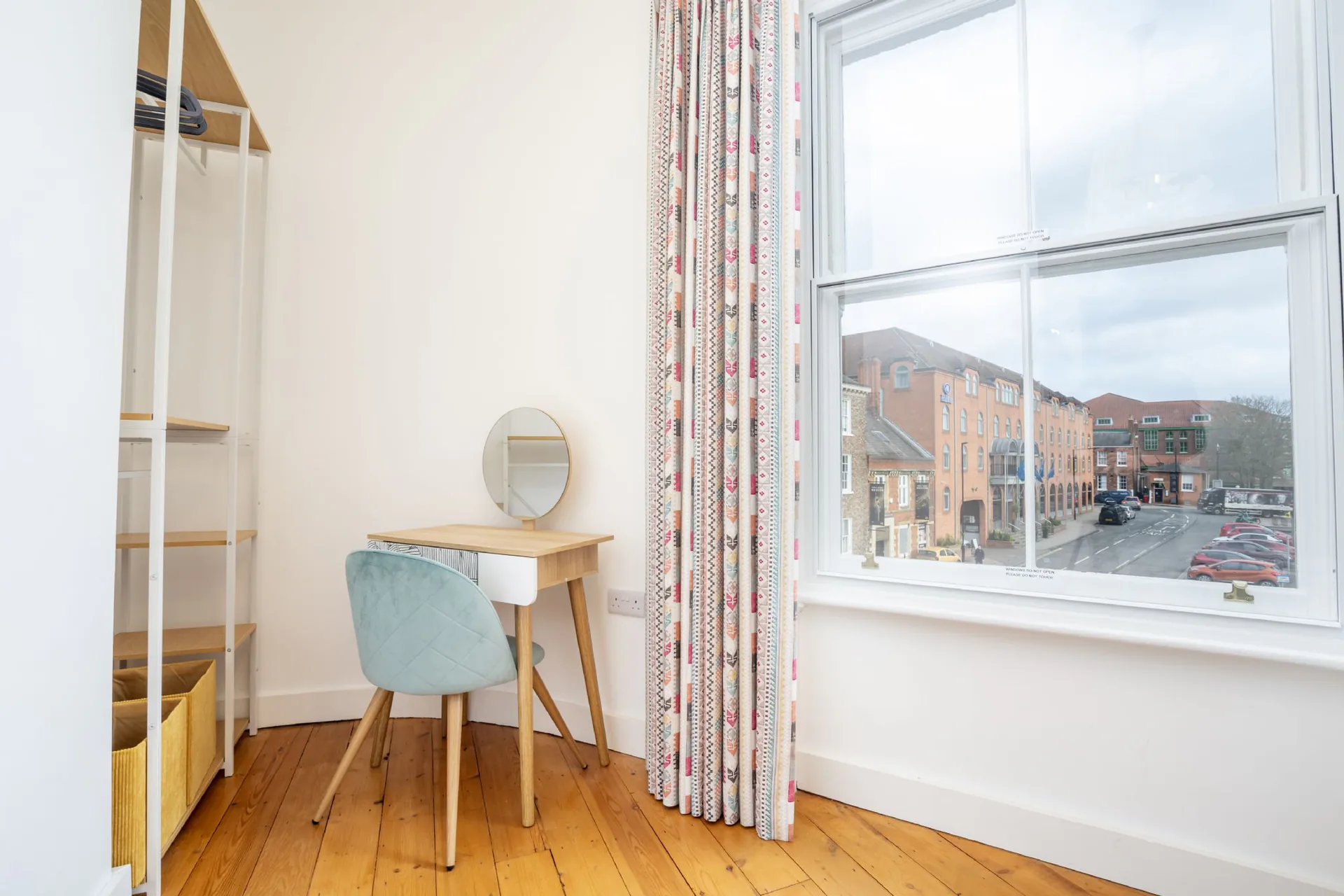
- Restoring Street Frontages: We enhanced the streetscape by removing modern tenant plaques and executed like-for-like repairs on the period sash windows. This included preserving No. 6’s distinctive curved corner frontage and its unique three-light canted oriel window.
- Acoustic Upgrades: To manage road noise from the busy arterial route outside without harming the historic fabric, we introduced fully reversible secondary glazing with carefully aligned glazing bars.
- Sympathetic Integration: Complying with listed building consent conditions, all new internal partitions were expertly scribed around the existing historic cornices and mouldings.
Sustainable Urban Design
Complementing the heritage restorations, the apartments were designed to support sustainable city living. The scheme provides five dedicated cycle parking spaces housed within a former ground-floor room in 1 Peckitt Street, ensuring the development is entirely car-free while remaining highly accessible via York’s public transport networks.